
1.3M
Downloads
296
Episodes
A UK based Emergency Medicine podcast for anyone who works in emergency care. The St Emlyn ’s team are all passionate educators and clinicians who strive to bring you the best evidence based education. Our four pillars of learning are evidence-based medicine, clinical excellence, personal development and the philosophical overview of emergency care. We have a strong academic faculty and reputation for high quality education presented through multimedia platforms and articles. St Emlyn’s is a name given to a fictionalised emergency care system. This online clinical space is designed to allow clinical care to be discussed without compromising the safety or confidentiality of patients or clinicians.
Episodes
Sep 10, 2019
Aug 31, 2019
Aug 31, 2019
26 min
Prof. Rick Body is an internationally recognised expert in diagnostic testing. In this podcast he takes us through diagnostics today and also the near future which may change almost everything.
You can read more and see the slides/video at http://www.stemlynsblog.com
Jul 23, 2019
Jul 23, 2019
20 min
This talk focuses on how we can optimise our psychological performance in critical care situations, the type of situations that Simon describes as Time Critical, Information light. The Audio is available below, or watch the full presentation above.
Don't forget to watch the video on the St Emlyn's site http://www.stemlynsblog.org
vb
S
Jul 14, 2019
Jul 4, 2019
Jul 4, 2019
20 min
This is Chris's talk from #stemlynsLIVE on GI emergencies. Remember to check out the blog for the background, references and more.
Jun 21, 2019
Jun 21, 2019
32 min
St. Emlyn's Podcast: Key Insights from May in Emergency Medicine
As we transition into the warmer months, it's an opportune time to reflect on recent discussions and developments within the field of emergency medicine, particularly those highlighted in the latest episode of the St. Emlyn's podcast. This episode covered a wide range of topics, from workplace safety to advancements in pediatric care and innovative approaches in patient management. Below is a comprehensive summary of the key points discussed.
Workplace Safety: A Pressing Concern
The podcast began with a reflection on a recent violent incident at Newham Emergency Department (ED), which served as a stark reminder of the dangers healthcare professionals face daily. Emergency departments, by their very nature, are open and accessible, making them vulnerable to violent incidents. This recent attack has prompted a nationwide reassessment of safety measures, with many EDs enhancing their protocols to protect staff.
The conversation emphasized that violence in the workplace should never be normalized. It’s crucial that healthcare professionals feel safe and supported in their working environment. Leadership within departments plays a critical role in this, not only by implementing robust safety protocols but also by fostering a culture of solidarity and mutual support among staff. The incident at Newham underscores the need for constant vigilance and proactive measures to ensure the safety of everyone working in emergency medicine.
Leadership in Education: Simon Carley’s New Role
In more positive news, Simon Carley’s recent appointment as the CPD (Continuing Professional Development) lead for the college was discussed. This role is a significant milestone, not just for Simon but also for the integration of modern educational approaches within formal medical education. Simon’s involvement with St. Emlyn's has long been focused on innovative, social media-driven education, and this new role offers an opportunity to bring these methods into a broader educational framework.
The appointment highlights the value of combining traditional education with the dynamic, accessible formats offered by the #FOAMed (Free Open Access Meducation) community. It’s a recognition that medical education can benefit from new perspectives and that the integration of these ideas can enhance the learning experiences for healthcare professionals.
Pediatric Status Epilepticus: Evaluating Second-Line Agents
The discussion moved to a detailed analysis of pediatric status epilepticus, focusing on the findings from two key trials: the Eclipse trial and the ConSEPT trial. These studies compared the efficacy of levetiracetam (Keppra) and phenytoin as second-line agents for stopping seizures in children.
The trials found no significant difference between the two drugs in terms of their effectiveness, which has led to debate within the medical community about whether to switch from phenytoin to levetiracetam. While levetiracetam is perceived as easier to administer and safer, the lack of a clear superiority has left the decision somewhat open. However, the ease of use and safety profile of levetiracetam make it an appealing option, and some institutions are considering making the switch.
For clinicians, the takeaway is that while both drugs are viable options, the choice may ultimately come down to individual preferences and institutional protocols. The trials underscore the importance of continuous evaluation of treatment options, particularly in complex cases like pediatric seizures.
Understanding Clinical Trials: The Importance of Statistical Literacy
Simon Carley also highlighted the importance of understanding the statistical nuances in clinical trials, particularly the difference between demonstrating a difference between treatments and establishing their equivalence. This distinction is crucial for accurately interpreting research findings and making informed clinical decisions.
The discussion emphasized that clinicians must be cautious in how they interpret trial results, particularly when it comes to determining whether treatments are genuinely equivalent or if the lack of a significant difference merely reflects the study’s design. This level of critical appraisal is essential for ensuring that new research is applied correctly in clinical practice.
Prolonged Field Care in the ED: Learning from Military Medicine
Another topic discussed was prolonged field care, a concept borrowed from military medicine that is becoming increasingly relevant in emergency departments due to overcrowding and delays. Rich Carden introduced the HITMAN mnemonic—Hygiene and Hydration, Infection, Tubes, Medication, Analgesia, and Nutrition—as a framework for managing patients who are stuck in the ED for extended periods.
The HITMAN approach ensures that patients' fundamental needs are met even when resources are stretched. This method helps prevent complications and improves patient outcomes, even in less-than-ideal conditions. The approach is particularly relevant in today’s healthcare environment, where EDs are often overwhelmed and patients may wait longer than usual for admission or transfer.
Atrial Fibrillation: Reassessing Cardioversion Strategies
Atrial fibrillation (AF) management was another key topic. A recent study in the New England Journal of Medicine compared immediate cardioversion with a wait-and-see approach in patients with new-onset AF. The study found that a wait-and-see approach was non-inferior to immediate cardioversion, with 69% of patients in the wait-and-see group spontaneously cardioverting within 48 hours.
This finding challenges the traditional approach of immediate cardioversion and suggests that in many cases, a more conservative approach may be just as effective. However, the decision should be made through shared decision-making with the patient, taking into account their preferences and the specific circumstances of their condition. This patient-centered approach ensures that treatment decisions are made collaboratively and with the patient’s best interests in mind.
Traumatic Cardiac Arrest: Reevaluating Chest Compressions
The podcast also touched on the evolving management of traumatic cardiac arrest, particularly the role of chest compressions. Recent studies, including one involving porcine models, suggest that in cases of hypovolemic traumatic cardiac arrest, chest compressions may not be beneficial and could even be harmful. Instead, the focus should be on addressing the underlying cause, such as restoring circulating volume.
This shift in practice highlights the importance of understanding the specific etiology of cardiac arrest and tailoring resuscitation efforts accordingly. Communicating these changes to the entire resuscitation team is crucial, as there may be resistance to deviating from traditional protocols. Ensuring that everyone is on the same page and understands the rationale behind the approach is key to successful implementation.
Virtual Reality in Pain Management: An Emerging Tool
Virtual reality (VR) is emerging as a promising tool in pain management, particularly in pediatric patients undergoing painful procedures. A recent study discussed in the podcast found that children who used VR experienced less distress during procedures compared to those who received standard care.
VR offers an innovative, accessible method for managing pain and anxiety, and its use is likely to expand in the coming years. The ability to create immersive environments that distract patients during procedures has the potential to improve patient experiences and outcomes, not just in children but potentially in adults as well.
The Power of Peer Review: Enhancing Clinical Practice
Finally, Simon Carley discussed the importance of peer review in clinical practice. Peer review is a valuable tool for continuous improvement, allowing clinicians to receive feedback from colleagues on their performance. While it can be challenging to create a culture where feedback is welcomed and constructive, the benefits are significant.
Peer review helps clinicians avoid complacency, stay up-to-date with best practices, and continually refine their skills. It’s a simple, cost-effective way to ensure that healthcare professionals are delivering the highest standard of care. Creating a supportive environment where feedback is seen as an opportunity for growth rather than criticism is essential for the success of peer review initiatives.
Conclusion
The discussions in this month’s St. Emlyn's podcast highlight the complexities and challenges of working in emergency medicine, from ensuring workplace safety to staying current with evolving practices. By engaging with new research, embracing innovative tools like virtual reality, and fostering a culture of continuous improvement through peer review, we can continue to advance the field and improve patient care. As always, the St. Emlyn's blog and podcast remain valuable resources for staying informed and connected with the latest developments in emergency medicine.
Jun 7, 2019
Jun 7, 2019
25 min
The Evolution of Traumatic Cardiac Arrest Management: Military Insights and Civilian Applications
Traumatic cardiac arrest (TCA) is a critical and often fatal condition encountered in both military and civilian emergency medicine. Historically, the prognosis for patients with TCA has been poor, leading many to believe that resuscitation efforts are largely futile. However, recent developments, particularly those arising from military experience, are challenging this perspective. In this post, we explore insights shared by Dr. Jason Smith, a consultant in emergency medicine and a seasoned military doctor, about the evolving understanding of TCA, including the role of chest compressions and the application of military practices in civilian settings.
Traumatic Cardiac Arrest: Insights from Military Experience
TCA is relatively rare in civilian settings, with major trauma centres like Plymouth seeing a case every one to two months. However, in military environments, where high-velocity injuries are more common, TCA occurs more frequently. Dr. Jason Smith’s experience in Afghanistan revealed that traumatic cardiac arrests happened as often as three to four times a week. This stark contrast has driven the development of specific management protocols in military settings, where hemorrhagic shock is the leading cause of TCA.
In these high-intensity environments, the focus is on immediate and aggressive interventions. These protocols, developed on the battlefield, have significantly improved outcomes and are now being adapted for civilian trauma centres, where they continue to challenge the longstanding belief that TCA is nearly always fatal.
From the Battlefield to the Emergency Room: Evolving TCA Management
Over the past decade, the management of TCA has undergone significant evolution, largely influenced by military practices. Dr. Smith’s team in Afghanistan developed a "bundle of care" designed to rapidly and effectively address the key factors leading to TCA. This bundle includes:
- External Hemorrhage Control involves ensuring that tourniquets are properly applied and functioning, alongside other measures to control external bleeding.
- Oxygenation and Ventilation: Rapid intubation and ventilation to maintain oxygen delivery to vital organs.
- Bilateral Thoracostomies: Decompressing the chest on both sides to manage potential tension pneumothorax.
- Rapid Volume Replacement: Administer warm blood and blood products intravenously or intraosseously to quickly replace lost volume.
- Pelvic Binding: Applying a pelvic binder in cases of blunt trauma to reduce pelvic volume and control bleeding.
- Consideration of Thoracotomy: In specific cases, such as penetrating trauma to the chest, thoracotomy is considered as a life-saving intervention.
This structured approach, honed in military contexts, has led to outcomes that are significantly better than those reported in civilian literature at the time. These practices are now being adapted for civilian use, where they are helping to improve survival rates for TCA patients.
Challenging Old Assumptions: New Data on TCA Survival
One of the most significant shifts in the perception of TCA has come from recent data showing that survival rates are not as dismal as previously thought. In military populations from Iraq and Afghanistan, survival rates from TCA have been reported at around 10.6%. Even more compelling is data from the UK’s TARN database, which indicates a 7.5% survival rate for civilian TCA cases, including those caused by blunt trauma.
These figures are comparable to survival rates for non-traumatic cardiac arrest, leading to a reassessment of TCA management. The traditional view that resuscitation in TCA is futile is increasingly being challenged by evidence that with the right interventions, survival is possible.
The Controversy Around Chest Compressions in TCA
One of the most hotly debated topics in TCA management is the role of closed chest compressions. In standard Advanced Life Support (ALS) protocols, chest compressions are a fundamental part of resuscitation. However, in the context of TCA, particularly hemorrhagic TCA, their effectiveness has been called into question.
Dr. Smith’s research has played a pivotal role in this debate. He observed that during resuscitation in Afghanistan, the use of a Belmont rapid infuser often resulted in alarms indicating that chest compressions were creating too much pressure inside the thorax, preventing effective blood transfusion. This led to the hypothesis that chest compressions might be not only ineffective but potentially harmful in hemorrhagic TCA.
To explore this hypothesis, Dr. Smith and his colleagues at DSTL Porton Down developed an animal model using swine to simulate TCA. The study aimed to replicate the conditions seen in hemorrhagic TCA by bleeding the animals to a mean arterial pressure (MAP) of 20 mmHg. The animals were then divided into groups to compare the outcomes of different resuscitation strategies, including chest compressions alone, blood transfusion alone, and combinations of the two.
Key Findings: Prioritizing Blood Over Compressions
The study’s results were revealing. Animals that received blood transfusions without chest compressions had significantly better outcomes than those that received chest compressions alone or in combination with blood transfusion. Specifically, all animals that received only chest compressions were dead by the end of the study, while those that received blood alone showed signs of return of spontaneous circulation (ROSC).
Moreover, when chest compressions were combined with blood transfusion, the results were mixed. While some animals achieved partial ROSC, the overall survival was lower than in the group that received blood alone. This led to the conclusion that in hemorrhagic TCA, chest compressions might be not only unnecessary but potentially detrimental.
These findings, while based on animal models, have significant implications for clinical practice. They suggest that in cases where haemorrhage is the primary cause of TCA, the focus should be on rapid volume replacement with blood and blood products rather than on chest compressions.
Translating Research into Practice
While Dr. Smith’s study provides compelling evidence, applying these findings to human practice requires careful consideration. The study’s limitations, including its reliance on animal models and the specific conditions of hemorrhagic TCA, mean that more research is needed to fully understand how these findings apply to diverse patient populations.
However, the study does provide a strong foundation for re-evaluating current protocols. In situations where haemorrhage is identified as the primary cause of TCA, emergency teams might consider prioritizing volume replacement over chest compressions, especially in environments where rapid blood transfusion is possible.
The challenge, as Dr. Smith noted, lies in training and protocol development. Chest compressions are deeply ingrained in resuscitation practice, and changing this mindset requires robust training and clear guidelines. Emergency departments and trauma centres need to prepare their teams for scenarios where the traditional approach might not be the best one, ensuring that all members are aligned in their approach to TCA management.
Conclusion: A New Paradigm for Traumatic Cardiac Arrest
The management of traumatic cardiac arrest is evolving, driven by insights from military medicine and supported by emerging data from civilian practice. While challenges remain, particularly in shifting entrenched practices around chest compressions, the future of TCA management looks promising. Survival rates once thought to be negligible, are improving as we better understand the mechanisms at play and refine our interventions accordingly.
For emergency medicine practitioners, staying informed about these developments is crucial. As more data becomes available and as we continue to learn from both military and civilian experiences, the protocols for TCA will undoubtedly continue to evolve. The days of viewing traumatic cardiac arrest as a futile scenario are fading. With the right approach, training, and tools, we can offer these patients a fighting chance at survival.
In summary, putting science into the argument has been a game-changer, and continuing to blend evidence with practice will be key to improving outcomes in this challenging area of emergency medicine.
May 30, 2019
May 30, 2019
29 min
Alan Grayson takes us through his thoughts on ATLS. Is it really as terrible the #FOAMed world makes out?
May 19, 2019
May 19, 2019
33 min
Navigating a Mental Health Crisis in Healthcare: A Guide to Recovery
Healthcare professionals, particularly those working in critical care and emergency medicine, often face intense situations that test their emotional and mental resilience. While most of the time, we manage to cope with the challenges, there are rare moments that catch us completely off guard, leaving us feeling utterly broken. This guide explores what to do when work breaks you—a situation that is seldom discussed but is profoundly important.
Understanding the Crisis Point
It's crucial to distinguish between the routine stressors of healthcare work and a true mental health crisis. The latter is not just a rough day or a series of challenging weeks. Instead, it's a once-in-a-career event that completely shakes your confidence and leaves you questioning your ability to continue in your role. These moments can be triggered by traumatic patient cases, critical errors, or cumulative stress that finally overwhelms you.
When such a crisis occurs, it’s important to recognize that what you're experiencing goes beyond normal stress—it’s a mental health crisis. Symptoms may include tremors, uncontrollable crying, sleeplessness, and a sense of detachment. These are signs that your mental health is under severe strain, and they should be taken seriously.
Preparing for a Crisis Before It Happens
One of the most valuable steps you can take is to prepare for the possibility of a mental health crisis before it happens. Just as we plan for emergencies in our professional roles, we should also have a plan in place for our mental well-being.
1. Build a Support Network: Identify a few trusted individuals—whether colleagues, friends, or family—who can be your go-to support in times of crisis. Share with them the kinds of situations that might overwhelm you and how they can help if the time comes.
2. Establish a Routine: Develop a daily routine that includes exercise, healthy eating, and regular sleep. Routine can serve as a stabilizing force during a crisis, providing a sense of normalcy when everything else feels chaotic.
3. Seek Professional Help: It’s wise to establish a relationship with a therapist or counsellor before a crisis hits so you have someone to turn to when you need it. If therapy isn’t an option, know how to access support through your GP or other services.
4. Practice Self-Care: Identify activities that help you relax and de-stress. Whether it’s meditation, reading, or spending time with loved ones, incorporate these into your routine. These activities can become particularly crucial during a crisis.
What to Do During a Crisis
When you find yourself in the midst of a mental health crisis, your judgment may be impaired, making it difficult to make decisions or know what to do next. Here’s how to navigate those critical moments:
1. Reach Out for Support: Even though your instinct may be to withdraw, it’s essential to reach out to someone in your support network. Connection is key to navigating a crisis. Tell them what’s happened and how you’re feeling, even if it feels incredibly difficult to do so.
2. Stick to Your Routine: Maintain your daily routine as much as possible, even if it feels challenging. Simple actions like getting up at the same time, eating regular meals, and exercising can help you regain a sense of control.
3. Avoid Self-Medication: The temptation to numb your feelings with alcohol, drugs, or other substances can be strong during a crisis. However, these can exacerbate the situation. If you feel the need for medication, consult with a healthcare professional instead of self-medicating.
4. Seek Professional Help: If you’re struggling to cope, don’t hesitate to seek professional assistance. Talking to a professional, whether through your GP, a therapist, or a crisis hotline, can provide the validation and support you need.
The Path to Recovery
Once the immediate crisis has passed, the journey to recovery begins. This process is often slow and requires patience, self-compassion, and continued support.
1. Allow Yourself Time: Recovery from a work-related mental health crisis takes time, often longer than expected. Be patient with yourself and understand that healing is a gradual process that may take months or even years.
2. Maintain Your Routine: Continue the routine that helped you during the crisis. Regular exercise, healthy eating, and sufficient sleep are the foundations of good mental health and will support your recovery.
3. Reconnect with Your Purpose: Reflect on why you chose your profession and what you love about your job. Reconnecting with these motivations can help you find meaning and purpose again, even after a traumatic experience.
4. Set Small Goals: During your recovery, set small, achievable goals rather than overwhelming yourself with big plans. Celebrate small victories, whether it’s getting through a day at work, completing a project, or simply feeling a bit better.
5. Practice Self-Compassion: Treat yourself with the same compassion you would offer a friend or colleague going through a similar situation. Acknowledge your progress, and don’t be too hard on yourself if recovery takes longer than expected.
Dealing with Shame and Guilt
One of the most challenging aspects of recovery is dealing with feelings of shame and guilt, which can be powerful and difficult to overcome.
1. Acknowledge Your Feelings: It’s normal to feel shame and guilt after a traumatic event, but also understand that these feelings are often irrational and not based on reality.
2. Challenge Negative Thoughts: When feelings of shame or guilt arise, challenge them by asking yourself if they are truly justified. Often, these feelings are rooted in distorted thinking patterns that can be corrected.
3. Talk About It: Sharing your feelings with someone you trust can help alleviate the burden of shame and guilt. Expressing these emotions can reduce their power over you and facilitate healing.
4. Focus on the Positive: Remind yourself of all the good you’ve done in your career. Think about the lives you’ve touched and the positive impact you’ve had. Your career is more than just one event; it’s a series of contributions that define your professional journey.
Moving Forward
At St. Emlyn’s, we believe that your narrative as a healthcare professional is not defined by a single event. You are more than the challenges you’ve faced, and you have the strength to overcome even the most difficult moments. Remember that you are part of a community that understands what you’re going through and is here to support you.
1. Stay Connected: Don’t let the crisis isolate you. Stay connected with your colleagues, friends, and family, who can provide support, perspective, and encouragement as you move forward.
2. Keep Learning: Use your experience as an opportunity for growth. Reflect on what you can learn from the crisis and how it can make you a better healthcare professional.
3. Be Compassionate: Always remember to be compassionate towards yourself. Healing from a work-related mental health crisis is not easy, but with time, support, and self-care, you can emerge stronger and more resilient.
Conclusion
If you’ve experienced or are currently going through a mental health crisis due to work, know that you are not alone. The feelings of being broken, the shame, the guilt, and the fear are all part of the process—but they do not define you. By preparing in advance, seeking support, and practising self-compassion, you can navigate even the darkest moments.
At St. Emlyn’s, we’re here to remind you that your worth is not measured by your worst days. Your career is a journey, and while it may have its challenges, it is also filled with moments of profound impact, healing, and growth. Take the time to care for yourself, to heal, and to reconnect with your purpose. You are important, and your work is valued.
May 1, 2019
May 1, 2019
13 min
St. Emlyn's April 2019 Podcast Highlights
Hello and welcome to the St. Emlyn's blog. I'm Simon Carley, and today I'll be sharing the exciting developments from April 2019 on our St. Emlyn's blog. This month has been packed with insightful posts and groundbreaking research, so let's dive in.
Andromeda Shock Trial: A New Perspective
We begin with a thought-provoking journal club post by Dan Horner, an intensivist and emergency physician, who explores the Andromeda Shock trial. This study, conducted in Argentina, compared two resuscitation strategies for patients with septic shock: targeting lactate levels versus peripheral perfusion as measured by capillary refill time.
The Andromeda Shock trial is fascinating because it challenges our reliance on measurable indicators like lactate levels. Many experts argue that lactate doesn't provide the information we think it does about sepsis. Rich Carden's excellent blog on lactate delves into this topic, explaining why the common assumption that lactate indicates anaerobic metabolism is incorrect. Insights from leading intensivists like John Mayberg and Simon Finfer prompt a reevaluation of how we interpret lactate levels.
In the trial, patients managed using peripheral perfusion monitoring showed better outcomes than those managed by lactate levels. Although the trial is underpowered to show definitive differences, the findings suggest that both methods are likely similar in effectiveness. This study highlights the need to reconsider our approach to monitoring septic shock patients and suggests that capillary refill time could be a valuable, low-cost alternative to lactate measurement.
Enhancing Learning with Minimal Effort
Next, we turn to an intriguing blog by Nick Smith, who shares a lazy yet effective way to enhance learning. Inspired by Matthew Walker's book "Why We Sleep," Nick discusses the critical role of rest in learning and retention. The key takeaway is simple: if you're not well-rested before and after learning, you won't retain information effectively.
Nick emphasizes understanding individual learning rhythms. Some people, like early risers, learn best in the morning, while night owls perform better later in the day. This insight is crucial for medical educators and learners alike. For instance, teenagers naturally have later sleep cycles, making early morning learning sessions less effective.
Walker’s book provides compelling evidence on how sleep affects cognitive function and memory consolidation. During sleep, particularly REM sleep, the brain processes and organizes information learned throughout the day. Lack of sleep disrupts this process, leading to poorer retention and understanding.
Nick integrates these scientific insights with practical advice, making his blog an invaluable resource for optimizing learning strategies. He offers tips on improving sleep hygiene, such as maintaining a consistent sleep schedule, creating a restful environment, and avoiding stimulants before bedtime.
Nick also highlights the impact of disrupted sleep patterns, especially when attending international conferences. Jet lag and lack of sleep can severely hamper your ability to absorb new information. Moreover, alcohol consumption negatively affects learning, which is worth considering during conference social events.
Nick's post is packed with practical tips and impressive infographics that make the information easily digestible. It's a must-read for anyone involved in medical education or looking to optimize their learning strategies.
Aortic Emergencies: Key Insights from George Willis
George Willis, a renowned speaker and former professional American football player, presented on aortic emergencies at the St. Emlyn's Live Conference. His talk is a goldmine of information for emergency medicine practitioners. Aortic emergencies, such as ruptured aortic aneurysms and dissections, are critical conditions that require swift diagnosis and management.
George emphasizes using clinical history and tools like ultrasound to diagnose aortic emergencies. For example, ultrasound can identify abdominal aortic aneurysms and dissections via transthoracic echo. He also discusses managing these patients, particularly those with dissections, who present unique challenges due to their unstable blood pressure.
One notable case George describes involves managing pericardial effusion and tamponade resulting from aortic dissection. Techniques like pericardiocentesis can be life-saving, buying valuable time for definitive treatment. George's practical tips and real-world examples make his presentation an invaluable resource for anyone dealing with aortic emergencies.
Managing aortic emergencies requires a nuanced approach, particularly when dealing with unstable patients. George discusses using medications like labetalol for beta-blockade and alpha-blockade to manage blood pressure in dissection patients. These medications help reduce the strain on the aorta without compromising patient safety.
George also covers using imaging techniques, such as CT angiography, to confirm diagnoses and plan interventions. The ability to quickly and accurately diagnose these conditions is crucial for timely surgical intervention, which can significantly improve patient outcomes.
Ambulatory Care for PEs: Dan Horner's Expert Insights
Dan Horner returns with another insightful blog, this time on the ambulatory management of pulmonary embolisms (PEs). At the Arkham conference in Belfast, Dan discussed the benefits and challenges of treating PEs as outpatients. His post is a comprehensive guide to identifying which patients can be safely managed at home and which require hospital admission.
Dan explores various prognostic factors and scoring systems, such as PESI and sPESI, used to predict complications in PE patients. While these scores are better than Gestalt, they are not without limitations. Dan also touches on biomarkers and their role in predicting PE outcomes, though current data is not definitive.
Identifying patients who can be safely managed on an outpatient basis is crucial for optimizing resource use and improving patient comfort. Dan discusses the criteria for outpatient management, including the absence of hemodynamic instability, low bleeding risk, and adequate home support. These criteria help ensure that only patients with a low risk of complications are selected for ambulatory care.
Treatment options for PEs are evolving, with a shift from traditional anticoagulants like Warfarin to NOACs/DOACs. While these newer agents offer convenience, the evidence base is still developing. Dan also addresses the complexities of managing PEs in special populations, such as pregnant patients, highlighting the need for individualized care and informed discussions with patients.
Implementing ambulatory care for PEs requires careful planning and coordination. Dan provides practical advice on setting up ambulatory care pathways, including patient education, follow-up protocols, and the use of telemedicine to monitor patients remotely. He also discusses the importance of multidisciplinary collaboration in managing these patients.
Dan's blog is a treasure trove of resources, including guidelines for outpatient management, risk scores, and follow-up strategies. It's an essential read for anyone involved in the care of PE patients, offering the latest evidence and practical advice.
Coping with Clinical Tragedies: Liz Crowe's Personal Journey
To conclude our April roundup, we have two deeply moving blogs by Liz Crowe, where she shares her experiences of dealing with clinical tragedies. Liz's candid account of a recent tragic event in her professional life resonates with many healthcare professionals who have faced similar situations. Her blogs not only describe the emotional impact of these events but also offer strategies for coping and recovery.
Liz's first blog delves into the profound emotional toll that clinical tragedies can take on healthcare providers. She describes the initial shock, feelings of guilt and helplessness, and the long-lasting impact on mental health. These experiences are not uncommon in the medical field, where the stakes are high, and the outcomes can sometimes be devastating.
Liz emphasizes the importance of acknowledging and processing these experiences, rather than burying the emotions. She provides practical advice on how to support yourself, your colleagues, and your loved ones during such challenging times. Liz's insights are invaluable for anyone in the healthcare field, offering guidance on how to navigate the emotional aftermath of clinical tragedies.
In her second blog, Liz focuses on strategies for coping with and recovering from clinical tragedies. She highlights the importance of seeking professional help when needed, whether through counseling, peer support groups, or other mental health resources. Liz also emphasizes the value of self-care practices, such as exercise, mindfulness, and maintaining a healthy work-life balance.
Liz shares her personal journey of recovery, including the support she received from colleagues and the strategies that helped her regain her confidence and resilience. Her story is a powerful reminder that, while clinical tragedies are deeply challenging, it is possible to heal and continue to provide compassionate care to patients.
Liz's blogs also underscore the importance of building a supportive community within the healthcare profession. She advocates for open conversations about mental health and the emotional challenges of medical practice, fostering an environment where healthcare providers feel safe to share their experiences and seek help.
Liz's blogs are a must-read for anyone who has experienced or is supporting someone through a clinical tragedy. They offer hope and practical strategies for healing and moving forward.
Final Thoughts
April 2019 has been an incredibly insightful month on the St. Emlyn's blog. From groundbreaking research and practical medical education tips to deeply personal reflections on clinical tragedies, we've covered a wide range of topics. Each post offers valuable insights and practical advice for healthcare professionals.
As we continue to face the challenges of a busy emergency department, it's crucial to stay informed and up-to-date with the latest evidence and best practices. Whether you're managing septic shock, improving your learning strategies, diagnosing aortic emergencies, treating PEs, or coping with clinical tragedies, the St. Emlyn's blog has you covered.
The diversity of topics covered this month highlights the importance of continuous learning and adaptation in emergency medicine. By staying abreast of the latest research and best practices, we can ensure that we are providing the highest quality care to our patients.
Thank you for joining us on this journey through April 2019. We hope you find these posts as enlightening and helpful as we do. Stay tuned for more exciting updates and insights from the St. Emlyn's team. Enjoy your emergency medicine practice, and we'll speak to you again soon.
Apr 24, 2019
Apr 24, 2019
16 min
Highlights from March 2019: Key Insights and Updates
Welcome to the St Emlyn's podcast. I'm Simon Carley and today; I'll be taking you through the highlights from our blog in March 2019. This was a busy month filled with exceptional content, insightful trips, and significant conferences. Let's dive into the details and explore some key topics, starting with adult congenital heart disease, top trauma papers, and the importance of responsible volunteering.
Management of Adult Congenital Heart Disease
March kicked off with an important post on the management of adult congenital heart disease (ACHD). This topic is particularly close to my heart as the hospital I work at is a level two centre for ACHD in the UK. Services have become centralized, and surgical components are now managed at a few specialized centres, with Liverpool being the hub for my region.
Despite this centralization, we still encounter a large population of ACHD patients in our area. These patients often present complex medical histories and unique pathologies that can be challenging to manage in emergency settings. The guidance available typically focuses on chronic and surgical management, but emergency care for these patients requires a different approach.
Common Issues in ACHD Patients
ACHD patients commonly present with dysrhythmias, which can be particularly challenging to manage. Chest pain is also prevalent, although the incidence of ischemic heart disease isn’t significantly higher in ACHD patients, except for those who have undergone certain procedures like the switch operation. Other common issues include:
- Cyanotic patients: Those with single ventricle physiology and right-to-left shunts.
- Endocarditis: A rare but serious complication.
- Non-cardiac problems: Managing ACHD patients with conditions like appendicitis or pneumonia can be complex due to their unique circulatory dynamics.
The bottom line is that these patients often require specialized management strategies. When ACHD patients present with cardiac complications, we consult our local cardiologist or the ACHD centre. However, non-cardiac issues in ACHD patients also warrant discussion with the ACHD centre to ensure comprehensive care.
Key Takeaways for Emergency Physicians
Emergency physicians should familiarize themselves with the unique aspects of Fontan circulation, which relies on venous return based on venous pressure. Aggressive interventions like CPAP, bagging, and diuretics can be detrimental. Understanding these nuances is crucial for providing optimal care.
A Deeper Dive into Fontan Circulation
The Fontan procedure, a surgical intervention for single ventricle defects, creates a unique circulatory system that can be difficult to manage in emergency settings. Unlike normal circulation, Fontan physiology depends heavily on passive blood flow from the veins to the lungs. This means that increasing intrathoracic pressure through methods like CPAP or bagging can reduce cardiac output and worsen the patient's condition.
Fontan patients are particularly vulnerable to fluid shifts and pressures, making careful management of intravenous fluids and medications essential. Understanding these dynamics can be life-saving in the ED. For example, while diuretics might seem a reasonable choice for a patient with fluid overload, they can lead to dangerously low preload and cardiac output in a Fontan patient.
Top Trauma Papers from the Trauma UK Conference
Next up, we revisited some of the top trauma papers presented at the Trauma UK conference. These papers covered a range of topics, from the use of bougies in the ED to bag-mask ventilation during hypertensive resuscitation. Here are some key highlights:
The PAMPer Trial
The PAMPer trial examined the use of prehospital plasma in trauma patients and found significant survival benefits. This trial has important implications for trauma care protocols, emphasizing the potential of early plasma administration to improve outcomes.
The trial showed that administering plasma before hospital arrival can reduce mortality rates in severely injured patients. This finding supports the concept of damage control resuscitation, aiming to stabilize patients early and prevent coagulopathy, acidosis, and hypothermia—the lethal triad in trauma.
Bougie Use in the ED
Another focal point was the utility of bougies in emergency airway management. Evidence suggests that bougies can significantly improve first-pass success rates in difficult intubations, making them a valuable tool in the ED.
A study highlighted at the conference demonstrated that the use of a bougie, even in routine intubations, could increase the success rates for first-pass intubations. This is particularly important in prehospital settings and emergency departments where difficult airways are common.
Late Presenting Head Injury Patients
A paper from Hull explored the management of patients presenting with head injuries more than 24 hours post-injury. The findings indicated that these patients have a significant incidence of important findings on CT scans, suggesting that delayed presentations should not be underestimated.
This study challenges the conventional exclusion of late-presenting head injury patients from acute imaging protocols. It suggests that significant injuries can still be present and warrant immediate attention, even if the patient presents days after the initial trauma.
The Zero Point Survey
The Zero Point Survey, which emphasizes situational awareness, team dynamics, and environmental control before initiating the primary survey, was also highlighted. This approach can significantly enhance resuscitation efforts, ensuring a more organized and effective response.
The Zero Point Survey encourages clinicians to prepare mentally and physically before patient contact. By assessing the situation, assembling the right team, and ensuring the environment is conducive to optimal care, clinicians can improve outcomes and reduce errors in high-stress scenarios.
Responsible Volunteering Overseas
One of the most thought-provoking posts of the month came from Stefan Brisions, discussing the need for responsible volunteering overseas. Volunteering in low and middle-income countries can be incredibly rewarding, but it’s essential to approach it with the right mindset and framework.
The Ethics of Volunteering
Stefan emphasized the importance of volunteering within a system that has sustainability and benefits for all parties involved. There have been concerns about individuals volunteering for personal gain rather than genuine altruism. It’s crucial to ensure that our efforts are focused on creating lasting, positive impacts.
Volunteering should always aim to build local capacity rather than create dependency. This means working with local healthcare providers to enhance their skills and infrastructure, ensuring that the benefits of volunteering continue long after volunteers have left.
Volunteering Responsibly
If you're considering volunteering abroad, it’s vital to engage with established organizations that have a clear mission and ethical framework. This ensures that your contributions are meaningful and aligned with the needs of the local community. Our discussions with experts like Shweta Gidwani, Hooling Harrison, Jennifer Hulls, and Najee Rahman offer valuable insights into this complex issue.
Case Study: Volunteering in South Africa
Kat Evans, who works in Mitchell’s Plain in South Africa, shared her experiences at St Emlyn’s Live. Kat discussed the challenges of working in a resource-limited environment, particularly in managing trauma and toxicology cases.
Her insights into managing trauma in a high-volume, low-resource setting were eye-opening. Kat also shared fascinating details about the use of high doses of atropine for poisoning cases, highlighting the unique medical practices required in such environments.
Kat’s presentation underscored the value of structured volunteer programs that integrate volunteers into local healthcare systems, providing both valuable learning experiences and much-needed support to local healthcare providers.
The Future of SMACC: CODA
March also marked the end of an era with the final SMACC conference in Sydney. SMACC has been a cornerstone for many in the emergency and critical care communities, offering unparalleled opportunities for learning and networking. However, the spirit of SMACC lives on in its successor, CODA.
CODA: A New Beginning
CODA aims to build on SMACC's successes while addressing broader health issues such as vaccination, climate change, and healthcare inequality. The goal is to leverage the engaged community SMACC created to drive meaningful change on a global scale.
CODA plans to tackle these global health issues by bringing together a diverse group of professionals, including those outside the traditional medical fields. This interdisciplinary approach aims to create innovative solutions to some of the world’s most pressing health challenges.
Looking Ahead
While we bid farewell to SMACC, we look forward to the new opportunities CODA will bring. Its emphasis on tackling significant health challenges aligns with the evolving needs of the global healthcare community, promising an exciting future.
What to Expect from CODA
CODA will continue the tradition of high-quality content and dynamic presentations that SMACC was known for. However, it will also incorporate new elements focused on global health advocacy and interdisciplinary collaboration. Expect to see more discussions on how healthcare professionals can contribute to solving broader societal issues.
Additional Highlights from March
Critical Appraisal Nuggets (CANS) on P-values
We also introduced a mini podcast series called Critical Appraisal Nuggets (CANS) focusing on p-values, featuring myself and Rick Body. P-values are a common topic in exams and critical appraisal, and understanding them is crucial for interpreting medical research.
This less-than-ten-minute podcast provides a concise overview of p-values, helping clinicians and students alike grasp this important concept. By demystifying p-values, we aim to enhance our audience's critical appraisal skills, enabling better evidence-based practice.
Dual Coding in Medical Education
Nick Smith, a recent addition to the St Emlyn's team and a brilliant clinical educator, shared insights on dual coding. Dual coding involves using both verbal and visual information to enhance learning and retention.
Nick’s post emphasized how our brains struggle to process multiple streams of information simultaneously. Effective teaching and communication require a balance between verbal explanations and visual aids, ensuring that learners can absorb and retain information without being overwhelmed.
The Impact of Reboa in Trauma Care
Zaf Qasim, a great friend of ours over in the US, examined the impact of Resuscitative Endovascular Balloon Occlusion of the Aorta (Reboa) in trauma care. This post, based on a paper published in JAMA Surgery, analyzed Reboa success rates in civilian trauma using a US database.
The findings suggested that Reboa was associated with higher mortality rates compared to similar patients who did not receive Reboa. This raises important questions about patient selection and the overall benefits of Reboa in trauma care.
Zaf’s post highlighted the need for ongoing research and evidence to determine Reboa's true value. While there are compelling pathophysiological arguments for its use, the clinical outcomes must be scrutinized to ensure it is applied appropriately and effectively.
The Role of Evidence-Based Practice
At St Emlyn's, we prioritize evidence-based practice in all aspects of emergency medicine. The discussions around Reboa, p-values, and dual coding all reinforce the importance of using high-quality evidence to guide clinical decisions and educational strategies.
Final Thoughts
March 2019 was a month of incredible learning and growth. From managing complex ACHD patients to discussing the ethics of volunteering and exploring cutting-edge trauma research, we covered a wide range of topics that are crucial for emergency medicine professionals.
Stay Connected
As we move forward, we encourage you to stay connected with St Emlyn’s for more insights, updates, and discussions. Follow our blog, participate in our events, and join the conversation on social media. Together, we can continue to advance the field of emergency medicine and make a difference in the lives of our patients.
Thank you for joining us this month. Enjoy your practice, and we’ll be back with more great content in April. Have fun, stay safe, and keep learning!
Apr 13, 2019
Apr 10, 2019
Apr 10, 2019
23 min
Back in late 2018 we gathered in Manchester for the inaugural #stemlynsLIVE conference. Our friend Dr George Wills gave a great talk on Aortic Emergencies.
All emergency physicians know that it's all to easy to miss an aortic catastrophe. Listen to George's wisdom on common pitfalls and top tips to make you a better emergency clinician.
vb
S
Also check out these excellent #FOAMed resources.
- Subscribe to the blog (look top right for the link)
- Subscribe to our PODCAST on iTunes
- Follow us on twitter @stemlyns
- PLEASE Like us on Facebook
- Find out more about the St.Emlyn’s team
Mar 15, 2019
Mar 15, 2019
28 min
Last year we were honoured to bring Kat Evans to Manchester to talk at the #stemlynsLIVE conference. We've covered emergency medicine in South Africa before on the blog, but there is no substitute to hearing about it from someone who actually works there.
Feb 23, 2019
Feb 23, 2019
10 min
Understanding P Values: A Comprehensive Guide for Clinicians
Welcome to St Emlyn's blog, where we delve into the complex world of P values—a crucial element in medical research. For emergency medicine clinicians, understanding P values is essential for interpreting study results and applying them effectively in clinical practice. This post aims to demystify P values and enhance your critical appraisal skills.
What Are P Values?
P values are a measure of the probability that an observed difference could have occurred just by chance if the null hypothesis were true. The null hypothesis generally states that there is no difference between two treatments or interventions. Thus, a P value helps us determine whether the observed data is consistent with this hypothesis.
The Null Hypothesis and Significance Testing
To grasp P values fully, we start with the null hypothesis. In any trial, we begin with the premise that there is no difference between the treatments being tested. Our goal is to test this null hypothesis and ideally disprove it, a process known as significance testing.
When we calculate a P value, we express the probability of obtaining a result as extreme as the one observed, assuming the null hypothesis is true. For instance, a P value of 0.05 suggests a 5% chance that the observed difference is due to random variation alone.
The Magic of 0.05
The threshold of 0.05 has become a benchmark in research. A P value below this threshold is often considered statistically significant, while one above is not. However, this binary approach oversimplifies statistical analysis. The figure 0.05 is arbitrary and does not imply that results just above or below this threshold are vastly different in terms of practical significance.
Clinical vs. Statistical Significance
Distinguishing between statistical significance and clinical significance is crucial. A statistically significant result with a very small P value may not always translate into clinical importance. For example, a large study might find that a new treatment reduces blood pressure by 0.5 millimetres of mercury with a P value of 0.001. While statistically significant, such a small reduction may not be clinically relevant.
Conversely, a clinically significant finding might not reach the strict threshold of statistical significance, particularly in smaller studies. Therefore, it's essential to consider both the magnitude of the effect and its practical implications in clinical practice.
The Fragility Index
The fragility index is an alternative measure that addresses some limitations of P values. It calculates the number of events that would need to change to alter the study's results from statistically significant to non-significant. This index provides insight into the robustness of the findings. Surprisingly, even large trials can have a low fragility index, indicating that their results hinge on a small number of events.
Moving Beyond 0.05
Recognizing the limitations of the 0.05 threshold, some researchers advocate for more stringent criteria, such as a P value of 0.02, particularly in large randomized controlled trials (RCTs). This approach aims to reduce the likelihood of false-positive results and improve the reliability of findings. However, it also raises the bar for demonstrating the efficacy of new treatments, which can be a double-edged sword.
Multiple Testing and Bonferroni Adjustment
A significant challenge in research is multiple testing. Conducting numerous statistical tests increases the probability of finding at least one significant result purely by chance. This issue is particularly relevant in exploratory studies where multiple outcomes are assessed.
One method to address this problem is the Bonferroni adjustment, which adjusts the significance threshold based on the number of tests performed. While this approach helps control the risk of false positives, it can be overly conservative and reduce the power to detect true effects. Therefore, it should be used judiciously.
Interim Analysis in Clinical Trials
Interim analysis is a crucial aspect of clinical trials, allowing researchers to assess the effectiveness or harm of an intervention before the study's completion. However, performing multiple interim analyses can increase the risk of false-positive findings. To mitigate this risk, researchers use techniques like P value spending functions, which adjust the significance threshold for each interim analysis.
Additionally, the number of interim analyses should be limited and pre-specified in the study protocol. This ensures that decisions to stop a trial early are based on robust evidence and not on arbitrary or opportunistic analyses.
Effect Size and Confidence Intervals
P values alone do not provide a complete picture of the study results. It's equally important to consider the effect size, which measures the magnitude of the difference between treatments. A small P value might indicate statistical significance, but without a substantial effect size, the clinical relevance of the finding remains questionable.
Confidence intervals (CIs) complement P values by providing a range within which the true effect size is likely to lie. A 95% CI means that if the study were repeated multiple times, 95% of the calculated intervals would contain the true effect size. CIs offer valuable context for interpreting P values and understanding the precision of the estimated effect.
Practical Tips for Interpreting P Values
- Understand the Null Hypothesis: Always start with a clear understanding of the null hypothesis and what the study aims to test.
- Look Beyond the P Value: Consider the effect size, confidence intervals, and clinical significance of the findings.
- Be Cautious with Multiple Testing: Recognize the increased risk of false positives with multiple comparisons and apply appropriate adjustments.
- Assess the Fragility Index: Use the fragility index to gauge the robustness of the study's findings.
- Consider Interim Analysis: Ensure that interim analyses are pre-planned and interpreted with caution to avoid bias.
- Question the Threshold: Remember that the 0.05 threshold is not a magic number. Interpret P values in the context of the study design, sample size, and practical implications.
Conclusion
P values are a fundamental aspect of medical research, but their interpretation requires a nuanced understanding. By considering the null hypothesis, clinical significance, effect size, and confidence intervals, we can make more informed decisions based on the data. As emergency medicine clinicians, our goal is to apply research findings judiciously to improve patient care.
We hope this deep dive into P values has clarified their role and limitations in research. Remember, the journey to mastering statistical concepts is ongoing, and continuous learning is key. If you have any questions or thoughts, please share them in the comments below. Happy appraising, and stay curious!
Feb 17, 2019
Feb 17, 2019
20 min
St. Emlyn's January Roundup: Key Insights and Innovations
Hello and welcome to the St. Emlyn’s Podcast. I’m Simon Carley, joined by Rick Body. Today, we’re bringing you our January roundup, sharing the most intriguing and impactful content we've covered this month. From reflecting on 2018 to exploring new guidelines and innovations in emergency medicine, we have a lot to discuss. Let’s dive in!
Reflecting on 2018: Transformational Reads and Achievements
As we started January, we reflected on 2018, a year filled with significant achievements and insights. One standout discussion was our review of key books that left a lasting impact. A personal favorite of mine is "Why We Sleep" by Matthew Walker. This book has been transformational for me, influencing how I live and advise others on health, well-being, and performance. The insights on sleep’s importance in education, creativity, and overall health are profound.
Rick, did anything from our 2018 review resonate with you?
Rick Body: Absolutely, Simon. The variety of books we discussed was impressive. It was enlightening to hear about others' achievements in 2018 and their goals for 2019. This exercise really focused my mind on what I hope to achieve this year.
Goals for 2019: Innovations and Personal Aspirations
As we moved from reflections to aspirations, we set our sights on exciting projects for 2019. One major highlight is the AI incubator for emergency care. This initiative aims to support academic careers and foster partnerships between data and industry to enhance medical technologies. It’s an exhilarating time for advancements in emergency care.
Rick is incredibly busy with groundbreaking work, particularly in diagnostics in Manchester. His research and speaking engagements are making waves in the medical community. For more details on these projects, check out the blog where all the information is comprehensively covered.
New Year’s Resolutions: Insights from Liz Crowe
We explored New Year’s resolutions with Liz Crowe, who offered a fresh perspective on well-being and resolutions. Instead of focusing on all-or-nothing goals, Liz suggests starting small and seeking rewards rather than punishments. This approach makes significant lifestyle changes more manageable and sustainable. Committing to resolutions publicly or with a friend can enhance accountability and success.
Rick, do you have any New Year’s resolutions?
Rick Body: It’s challenging to pinpoint one or two, but Liz’s advice on avoiding binary thinking is crucial. Recognizing progress rather than dwelling on setbacks can make a big difference.
Tetanus Guidelines: New Insights and Practical Applications
In January, we delved into updated tetanus guidelines, highlighting significant changes. Previously, a single booster in your early 20s was deemed sufficient, but the new guidelines recommend a 10-year booster. This change stems from the recognition that immunity wanes over time. Interestingly, point-of-care testing is now available to detect active tetanus immunization, allowing for more tailored booster decisions.
These updates are crucial for emergency physicians to ensure compliance with current standards and provide optimal patient care. The blog post simplifies these guidelines, making them accessible and easy to understand.
Excellence in Emergency Medicine: Claire Richmond’s Contributions
We featured Claire Richmond, a hero in the emergency medicine community. Claire, who works with Sydney HEMS, delivered an inspiring keynote at the St. Emlyn’s live conference. Her talk focused on excellence, performance, training, and development in retrieval medicine. She emphasized the importance of honesty, feedback, and continuous improvement.
For those aspiring to achieve self-actualization in emergency medicine, Claire’s insights are invaluable. We’ve shared the video and podcast of her talk, and we highly recommend checking them out.
Prognosticating Cardiac Arrest Outcomes: Dan Horner’s Research
Another highlight of January was Professor Dan Horner’s discussion on serum neurofilament light chains, a promising tool for prognosticating cardiac arrest outcomes. This research, stemming from the TTM trial, suggests that these biomarkers can provide early predictions about patient outcomes. Early identification of patients likely to have poor neurological outcomes can significantly impact family discussions, treatment decisions, and overall management.
This research is groundbreaking and holds potential for future clinical applications, although it’s not yet ready for immediate practice.
Celebrating Evidence-Based Medicine: Critical Appraisal E-Book
We’re incredibly proud of our journal club series at St. Emlyn’s, which advocates for evidence-based medicine. This series highlights the latest research, making it accessible and understandable. To celebrate the contributions over the past year, we’ve compiled an e-book available for free download. This resource is a testament to our commitment to advancing medical knowledge and practice.
Pre-Medication for Ketamine Sedation: Exploring New Research
One of the intriguing studies we covered this month examined pre-medication with midazolam or haloperidol for ketamine sedation. The randomized control trial suggested that pre-medication could reduce complications like abnormal behaviors and emergence phenomena. However, it also increased recovery time, requiring more resources and nursing time.
While the findings are interesting, they haven’t convinced us to change our current practice. However, it’s essential to stay informed about such research to make informed decisions in clinical practice.
HEMS and Traumatic Cardiac Arrest: Evaluating Outcomes
We also discussed the role of HEMS in improving outcomes for traumatic cardiac arrest. The study from the UK highlighted the high-level interventions provided by HEMS teams. However, it raised questions about the overall impact on patient survival. Of the 263 patients attended, only seven survived, and all had achieved ROSC before HEMS arrival. This data suggests that while HEMS interventions are critical, their direct impact on survival needs further evaluation.
This topic is sure to spark debate, and we appreciate the transparency of HEMS services in sharing their data and encouraging open discussions.
Looking Ahead: Plans for the Future
As we wrap up January, we’re excited about the plans for the coming months. Simon is heading to Jeddah for a significant event, and we’re considering hosting another St. Emlyn’s live conference and teaching course. We’re exploring innovative formats for medical conferences and welcome your ideas on how we can make these events even more impactful.
Support St. Emlyn’s: Keeping Education Free and Accessible
Since 2012, we’ve funded the blog and podcast out of our own pockets, but as our audience has grown, so have the costs. If you find our content valuable, please consider making a small donation or subscribing for regular contributions. Your support helps us keep St. Emlyn’s free and accessible to all.
Thank you for your time and continued support. Stay tuned for more updates, and as always, enjoy your emergency medicine practice and take care!
Jan 30, 2019
Jan 30, 2019
11 min
In this episode of the St. Emlyn's podcast, Rick Body and Charlie Reynard discuss an influential research project conducted by Dr. Reynard during his academic foundation program. The paper, titled 'Optimizing Antiplatelet Utilization in the Acute Care Setting,' explores decision-making under clinical uncertainty, specifically in emergency medicine for suspected acute coronary syndromes (ACS). Through systematic reviews and decision tree modeling, the research evaluates the benefits and risks of various antiplatelet therapies, such as Ticagrelor and aspirin versus Clopidogrel and aspirin. The findings reveal that Ticagrelor and aspirin are often more beneficial for patients with a greater than 8% probability of ACS, while Clopidogrel holds little to no place in current practice. The discussion opened up new questions about dynamic risk prediction and the importance of modeling to inform clinical decisions.
00:00 Introduction to the Podcast
00:26 Charlie's Research Background
00:52 Overview of the Research Paper
01:17 Decision Making Under Uncertainty
03:05 Systematic Reviews and Data Collection
03:46 Building the Decision Tree Model
04:48 Results and Key Findings
08:07 Implications for Clinical Practice
09:19 Future Directions and Conclusion
Jan 11, 2019
Jan 11, 2019
26 min
This podcast and presentation was recorded at the St Emlyn's LIVE conference in Manchester 2018. In this presentation Clare takes us through the rationale, principles, training and practice that we need in order to continually develop as prehospital and resuscitation practitioners.
You can read more from the event at http://www.stemlynsblog.org
This is a great presentation for anyone interested in continually developing their own and their colleagues practice, delivered by someone who really knows what they are talking about and who works for one of the best developed resuscitation services in the world.
Clare is an Emergency Physician and specialist in Pre-Hospital Care and Retrieval medicine based in Sydney, with Royal Prince Alfred Hospital and Sydney HEMS. She has completed a fellowship in simulation based education, and enjoys training with “real” people - patients, bystanders and the other clinicians we come across as we treat our patients every day. She is a lecturer with the University of Sydney, and is involved in education for the NSW Institute for Trauma Injury Management. When Clare is not working on helicopters or training teams, she is studying yoga or hanging out with her puppy, Archie.
Dec 31, 2018
Dec 23, 2018
Dec 16, 2018
Dec 16, 2018
22 min
This podcast was recorded at the Intensive Care Society State of the Art meeting in London 2018. Simon Carley interviews Prof Peter Brindley on the interface of technology, humans and humanity in critical care. The audio was recorded live and at the venue so there is a fair bit of background noise, but we hope that this does not distract from a wide ranging and fascinating podcast.
Dec 6, 2018
Dec 6, 2018
22 min
Five strategies to improve your resuscitations.
1. Zero point survey
2. Peer review
3. 10 in 10
4. Hot debriefs
5. Fly the patient
You can read about these strategies, watch the video and learn about the background on the St Emlyn's blog here https://www.stemlynsblog.org/stemlynslive-five-free-strategies-to-improve-your-resuscitation-practice-st-emlyns/
Nov 28, 2018
Nov 28, 2018
32 min
Salim Rezaie from the REBEL EM podcast takes us through the optimal management of cardiac arrest and also explores some of the controversies and difficulties that make the difference to our patients.
You can read a lot more about the background to this talk, see the evidence and watch the video on the St Emlyn's site. Just follow this link. https://www.stemlynsblog.org/beyond-acls-salim-rezaie-at-stemlynslive/
Nov 13, 2018
Oct 28, 2018
Oct 28, 2018
28 min
This presentation was given at the inaugural #stemlynsLIVE conference on the 8th of October 2018 in Manchester. You can read more about the presentation and the conference here. https://www.stemlynsblog.org/in-pursuit-of-excellence/
Oct 22, 2018
Oct 16, 2018
Oct 16, 2018
10 min
St Emlyn’s Monthly Round-Up: August Highlights and Key Insights
Hello and welcome to the St Emlyn’s blog! I’m Simon Carley and today; I’m thrilled to share with you some of the standout moments and key insights from our blog in August. Yes, I know it’s October now, but we’ve been incredibly busy organizing the St Emlyn’s Live and the teaching course in Manchester. More on that in a later post. It’s been a fantastic period for us, and even though we’re a bit behind, it’s perfectly okay. Let’s dive into some spaced repetition and revisit the exciting content from August.
Natalie May’s Adventures Down Under
In August, we featured a series of blogs by Natalie May, chronicling her experiences at the Emergency Medicine of South-Os conference in Australia, where she served as a keynote speaker. Natalie covered several essential topics during her time there, providing valuable insights and lessons for emergency medicine professionals.
One of the key sessions she highlighted was about the effective use of apps in emergency medicine. This session was particularly interesting as it covered various clinical applications that can enhance productivity and patient care. Natalie shared top tips from her session, many of which she personally uses. This collection includes clinical tools and productivity apps, making it a must-read for anyone looking to optimize their practice. Many of these tips also tie back to a post by Scott Weingart from a few years ago about getting things done in emergency medicine. Natalie’s update builds on Scott’s foundation, providing new insights and practical advice for today’s busy and complex medical environment.
Lessons Learned at the Conference
Another highlight from Natalie’s posts was a session on lessons learned. This session brought together five respected professionals—Gary Birk, Jesse Spur, Natalie herself, Ian Summers, and Tim Lewinburg—who discussed instances where things didn’t go as planned. These stories weren’t just about clinical errors but also about soft skills, which, as we know, are anything but soft.
The panel covered communication issues, handover challenges, and awareness of equality and diversity in the emergency department. One poignant story involved an equality and diversity issue where Natalie acknowledged a consultation that didn’t go as expected. These discussions are crucial as they address elements that are challenging to learn from textbooks but significantly impact patient care and team dynamics.
Rick Body’s Troponin Insights
Moving on, we had an exceptional post by Rick Body on troponin, specifically focusing on high-sensitivity troponin samples. Rick is a leading authority on troponin, and his insights are invaluable. One particularly critical point he raised was the impact of biotin supplements on troponin assays.
Rick explained that patients taking biotin might show negative troponin results even when there is a myocardial infarction. This is a significant finding as it could lead to missed diagnoses. Rick advises emergency departments to either determine the type of analyzer their lab uses or routinely check biotin levels in patients to avoid potentially serious errors. This post is a must-read for anyone involved in emergency medicine as it provides practical advice to enhance diagnostic accuracy.
SMAC Conference and the CESR Route
August was also a month of anticipation for the upcoming SMAC conference. We discussed the excitement surrounding this event, which promises to be an incredible gathering of emergency medicine professionals. If you haven’t registered yet, make sure to do so as this will be the last SMAC, and it’s set to be unforgettable.
We also explored the CESR route in the UK. For those unfamiliar, the CESR (Certificate of Eligibility for Specialist Registration) is an alternative path to becoming a consultant in emergency medicine. Unlike the traditional six-year training program, the CESR route is portfolio-based and has recently undergone some changes. Gareth, who has successfully navigated this process and joined us as a consultant, shared his experiences and offered practical advice. His insights are particularly valuable for anyone considering this path, emphasizing the importance of early preparation and understanding the requirements.
Intravenous Fluids in Critical Care
One of the standout academic reviews we featured in August was on the use of intravenous fluids in critical care. Authored by Silam Lam, John Myberg, and Armando Bellomo, it provides a comprehensive overview of current best practices and evidence in fluid management.
The review highlights several key points. Firstly, the evidence base for most IV fluids is surprisingly weak, which is concerning given how widely they are used. The traditional approach of aggressive fluid resuscitation (fill them up until they can’t take any more) is now considered potentially harmful. Instead, a more cautious and mindful approach is recommended.
The review also discusses the importance of choosing the right type of fluid and adjusting the volume based on the type of shock. Dynamic assessment tools like point-of-care ultrasound are emphasized as they provide real-time insights into patient status, making fluid management more precise. The paper also touches on the role of the glycocalyx, an essential barrier between intravascular and extracellular fluid, which plays a critical role in fluid management during illness.
Avoiding Harmful Fluids
In addition to general fluid management principles, the review provides specific recommendations on which fluids to avoid. Hydroxyethyl starch solutions, for instance, should not be used, a point we have reiterated on the blog before. Gelatin, another fluid type, is also not recommended due to its limited benefits and potential risks.
Human albumin, although used more frequently in critical care, especially for conditions like sepsis, does not show significant advantages in most scenarios and should be avoided in traumatic brain injury. The ongoing debate between balanced solutions and normal saline is also addressed, with the review suggesting that balanced solutions may offer slight advantages in certain contexts.
Moral Injury in Emergency Medicine
Finally, we revisited a fantastic paper and podcast on moral injury by Esther Murray. This topic has resonated deeply with many in the emergency and critical care fields. The paper explores the psychological and emotional challenges faced by healthcare professionals, particularly those working in high-stress environments.
Esther’s discussion on moral injury—how the distress from perceived ethical transgressions impacts healthcare workers—is incredibly poignant. Given the increasing focus on mental health and well-being in our profession, understanding and addressing moral injury is crucial for sustaining our workforce. This small but significant study sheds light on an issue that many of us have experienced, even if we haven’t fully acknowledged it.
Wrapping Up August’s Highlights
August was indeed a month packed with valuable insights and crucial updates for the emergency medicine community. From Natalie May’s adventures and lessons learned to Rick Body’s troponin wisdom and the comprehensive review on intravenous fluids, there was a wealth of information to absorb and apply in practice.
We also delved into the practicalities of the CESR route, providing a roadmap for those considering this alternative path to consultancy. The discussion on moral injury, led by Esther Murray, reminded us of the importance of addressing the emotional and psychological well-being of healthcare professionals.
As we move into the latter part of the year, we look forward to bringing you more cutting-edge research, practical tips, and thought-provoking discussions. Stay tuned for the September podcast and the exciting content we have lined up from recent conferences. Thank you for being a part of the St Emlyn’s community, and here’s to continuing our journey of learning and improving patient care together.
Sep 28, 2018
Sep 28, 2018
33 min
EMS Gathering round up 2018 with Simon Carley and Aidan Baron. See www.stemlynsblog.org Apologies for the sound quality on this one, it was all done in a fairly noisy environment.
Don't forget to listen to special guests from 23 mins onwards.
Aug 30, 2018
Aug 30, 2018
22 min
This week we recorded a podcast inspired by a recent publication in the EMJ. Esther Murray aka @EM_Healthpsych is a psychologist working in London.
Her recent paper on whether the experiences of medical students might precipitate moral injury during their pre-hospital experiences gives an insight into how we all cope with and respond to the clinical work we do. Some of the work we do is traumatic, painful and morally difficult to rationalise. We are witness to the very worst aspects of some of our patient’s lives and there may be a price to pay.
I was delighted to explore some of the concepts around moral injury in this podcast and would really recommend that you read the paper 1 and consider whether this is something that can affect ourselves and our colleagues. The paper is open access at the moment so there is no excuse not to 😉
Although the paper is based on a small number of participants from only one aspect of the healthcare system it does recognise this limitation and alludes to future work with different groups of clinician.
What is Moral Injury?
Esther describes ‘moral injury’ as a concept emerging from work with military veterans. It is used to describe the psychological sequelae of ‘bearing witness to the aftermath of violence and human carnage
Aug 17, 2018
Jul 21, 2018

Jun 15, 2018
Jun 15, 2018
41 min
Exploring the World of Emergency Medicine: Highlights from BadiM and Resuscitology Conferences
Welcome to the St Emlyn's podcast! Today, we're diving into the exciting and insightful experiences from recent conferences in the world of emergency medicine. Join us as we explore the key takeaways and reflections from the BadiM Conference in South Africa and the Resuscitology Conference in Australia. These events not only highlighted innovative approaches to emergency care but also fostered a sense of community and collaboration among healthcare professionals.
Setting the Scene: Weather and Warm Welcomes
As is customary, let's start with a quick weather update. It was a pleasant 16 degrees in Verchester, and similarly, New South Wales enjoyed beautiful blue skies at 16 degrees. The crisp air and clear skies set a perfect backdrop for our discussions on the latest developments in emergency medicine.
BadiM Conference: A Unique Experience in South Africa
The BadiM Conference in Greaten, South Africa, was a truly remarkable event. Located about two hours east of Cape Town, the conference was set in the picturesque hills, creating a beautiful and serene environment for learning and networking. This residential conference was a blend of a festival and a professional gathering, fostering a sense of community among attendees.
Building a Festival of Ideas
One of the standout aspects of the BadiM Conference was its emphasis on community and co-creation. Attendees camped in tents, shared meals, and engaged in discussions in large TP-style tents. This setting broke down traditional power hierarchies and encouraged open and honest conversations. The conference aimed to build a festival atmosphere where learning extended beyond formal sessions to informal interactions over coffee or drinks.
Addressing African EMS Challenges
The conference kicked off with a focus on African EMS and the unique challenges faced in delivering emergency care in resource-limited settings. Haikert's talk on African solutions for African problems was particularly enlightening. She emphasized the importance of developing context-specific solutions rather than applying models from high-income countries directly to African contexts. This approach highlighted the need for mutual learning and collaboration, ensuring that solutions are relevant and sustainable.
The Concept of Relief Porn
A thought-provoking concept discussed was "relief porn," which refers to the well-intentioned but often misguided efforts of delivering aid without considering long-term sustainability. The idea is to avoid short-term fixes that may not integrate well into existing systems. Dave Drew's discussion on teaching BLS underscored the importance of building comprehensive systems rather than isolated interventions.
Advocacy and Clinician Responsibility
Nat Fertil's talk on the role of clinicians as advocates resonated deeply. Drawing parallels between working in a war zone and addressing complex health needs in urban settings, she emphasized the importance of standing by patients who cannot advocate for themselves. This advocacy extends beyond clinical care to addressing social determinants of health.
The Gender Unicorn: Caring for LGBTQIA Patients
Caleb Lachnitz's talk on the Gender Unicorn and caring for LGBTQIA patients was a highlight. He stressed the need for healthcare providers to understand and respect diverse gender identities and expressions. The Gender Unicorn graphic, which differentiates between gender identity, gender expression, sex assignment at birth, and attraction, was a valuable tool in fostering better understanding and care for LGBTQIA patients.
Day Two: Workshops and Practical Learning
The second day of the BadiM Conference was workshop-focused, providing hands-on learning opportunities.
Feedback in Tricky Circumstances
We conducted a workshop on giving feedback in challenging situations. This session aimed to equip participants with skills to provide constructive feedback, even in difficult scenarios. We discussed techniques for addressing behavioral issues and ensuring feedback is productive and empowering.
Treating Pregnant Patients and Pediatric Emergencies
Penny Wilson's talk on treating pregnant patients was reassuring, emphasizing that treating the mother is often in the best interest of the baby. Ross Fisher's engaging session on pediatric emergencies, specifically addressing foreskin issues, provided practical insights for managing these conditions in the emergency department.
Tracheostomy Emergencies in Children
A session on tracheostomy emergencies in children, led by James Booth and his team, highlighted the importance of patient education and family collaboration. In settings where community services may be limited, working closely with families is crucial to managing chronic health problems effectively.
Ophthalmology and Trauma Care
Ophthalmology in remote settings and trauma care were also significant topics.
Innovative Ophthalmology Solutions
William Mapperman's presentation on using the Vula app for managing eye problems in remote areas showcased the power of electronic media in enhancing healthcare delivery. This app has significantly improved the quality of eye care across South Africa and other African nations.
Chest Trauma and Autotransfusion
Tim Hardcastle's discussion on chest trauma and the use of drains for autotransfusion was enlightening. This technique, which involves collecting and retransfusing blood from a hemothorax, is a practical solution in resource-limited settings with high rates of penetrating trauma.
Managing Coagulopathy and Intubation in Shocked Patients
Debates on managing coagulopathy and intubating profoundly shocked patients provided valuable insights. Emphasizing the importance of doing the basics well, such as using TXA and maintaining temperature, was a key takeaway. For intubation, using low doses of ketamine and high doses of rocuronium, along with preparing for cardiovascular collapse, were highlighted as best practices.
Human Factors and Emotional Resilience
Human factors and emotional resilience were recurring themes throughout the conference.
The Impact of Violence and Trauma
Dom Pinnick's talk on gangs and domestic violence in South Africa shed light on the broader societal impact of violence. The discussion underscored the need for emergency departments to be prepared for the complex emotional and physical needs of these patients.
Sleep Hygiene and Self-Care
Natalie May's session on sleep hygiene was a timely reminder of the importance of self-care. Sharing personal experiences and practical tips, she highlighted the universal challenges of sleep deprivation in the medical profession and offered strategies to improve sleep quality.
Super Bosses: Leading with Compassion
Sardlery's talk on being a "super boss" resonated with many. Emphasizing the importance of amplifying the talents of team members and creating a positive environment, he highlighted the role of compassionate leadership in emergency medicine.
Final Day and Closing Reflections
The final day of the BadiM Conference was a half-day, focusing on simulation workshops and additional learning opportunities.
Simulation Workshops and Major Incident Management
Simulation workshops, including a major incident workshop, provided hands-on learning experiences. Discussions on managing major incidents, such as the Manchester bombing and a fuel tanker explosion in Mozambique, highlighted the importance of having a common language and system for emergency management.
Venomous Plants and Animals
A workshop on venomous plants and animals featuring actual snakes and spiders added a unique and context-specific element to the conference. Understanding local environmental hazards is crucial for providing effective emergency care in different regions.
Organ Donation and Cruise Ship Medicine
Dave Thompson's session on organ donation in South Africa and Caroline Lewis's talk on working on cruise ships provided diverse perspectives on emergency medicine. These sessions emphasized the need for specialized skills and adaptability in various medical settings.
Personal Stories and Patient Safety
Kirsten Kingma's personal story of crashing a paraglider and subsequent injuries provided a poignant reminder of the vulnerability of healthcare providers as patients. Her insights into the patient experience underscored the importance of empathy and effective communication in healthcare.
Resuscitology Conference: Reflective Learning in Australia
The Resuscitology Conference, organized by Cliff Reed, was another standout event. Held in the Blue Mountains of Australia, this residential course focused on case-based reflective learning.
Case-Based Learning and Human Factors
Participants brought challenging resuscitation cases, which were discussed in detail using the STEPS approach (Self, Team, Environment, Patient, System). This method facilitated deep learning and practical problem-solving.
Fresh Air Life and Wellness
The concept of "Friluftsliv" (fresh air life) was integrated into the conference, encouraging outdoor activities and wellness. This holistic approach to learning and self-care was well-received by participants.
Breaking Bad News and Debriefing
One significant takeaway was the idea that breaking bad news does not always have to be the responsibility of the treating clinician. This team-based approach allows for emotional support and cognitive load sharing. The importance of debriefing and support for team leaders was also emphasized.
Looking Ahead: Future Conferences and Learning Opportunities
As we reflect on these enriching experiences, we're excited about upcoming events. The St Emlyn's Live Conference on October 9th promises to be another exceptional gathering, featuring keynote speakers Natalie May and Claire Richmond from Sydney HEMS. Additionally, the Teaching Co-op Course will offer a masterclass in medical education, focusing on practical skills for bedside teaching and departmental learning.
For those interested in Resuscitology, the next event is scheduled for November 15th and 16th. This innovative course will continue to build on the success of its inaugural session, providing a platform for reflective learning and collaboration.
The Value of Conferences in Emergency Medicine
While conferences can sometimes be seen as mere gatherings, the evolving quality and focus on interactive, participant-driven content have transformed them into valuable learning experiences. Events like BadiM and Resuscitology highlight the importance of community, collaboration, and continuous improvement in emergency medicine.
Thank you for joining us on this journey through the world of emergency medicine conferences. We hope to see you at future events, whether in Manchester or Sydney and continue to learn and grow together. Until then, enjoy your practice, stay curious, and keep pushing the boundaries of emergency care.
May 31, 2018

May 26, 2018
May 26, 2018
25 min
St Emlyn's Podcast: April Review and Key Insights
Welcome to the St. Emlyn’s podcast, your monthly source for insightful discussions and reviews from the world of emergency medicine. I’m Iain Beardsell, and alongside me is Simon Carley. In this edition, we're diving into the posts we’ve covered on our blog in April. After a grueling winter, we are finally catching up. We’re recording this in May, and it's a significant achievement for us. Let’s delve into the highlights and key takeaways from April.
Catching Up with St. Emlyn’s
Firstly, Simon and I are thrilled to be back on track. The sun is shining, signaling the end of winter here in the UK, and we’re embracing the spring warmth. Before we dive into the specifics, Simon, you’ve been traveling quite a bit recently. Can you share some of your experiences?
Travels and Learnings from Graz, Austria
Simon: Indeed, Iain. Recently, I had the privilege of visiting Graz, Austria, a beautiful city where I was invited by the NordDoc and the Austrian Society of Emergency Medicine. We attended the ninth Congress, or as they say in German, "Abit's Goermanneshaft for Notfallmedizin." It was an enlightening experience, despite my initial challenges with the language.
The hospitality in Graz was exceptional, and the city itself is stunning. Emergency medicine in Austria is still in its nascent stages, but the enthusiasm and energy among the young physicians were palpable. The simultaneous translation during presentations was a unique experience. I also conducted sessions on feedback and ultrasound teaching, which were well-received.
Iain: That sounds incredible, Simon. It’s always inspiring to see how different countries are integrating emergency medicine into their healthcare systems. Let’s move on to the main topics we covered in April.
Key Highlights from April's Blog Posts
Feedback and Coaching in Emergency Medicine
Iain: One of the key discussions in April was about feedback and coaching, a topic Simon presented in Austria. Feedback is crucial for continuous improvement in emergency medicine. Simon, can you elaborate on your main messages from the talk?
Simon: Absolutely, Iain. Feedback is essential for growth, and there are three main types: appreciation, coaching, and evaluation. One common issue is when these types are confused. For instance, after a challenging night shift, if a consultant gives a detailed coaching session instead of simple appreciation, it can be demoralizing. It’s crucial to match the feedback to the context and needs of the receiver. This ensures the feedback is purposeful and effective.
Understanding Diagnostic Tests: Beyond Black and White
Rick's post from April 10th delved into the nuances of diagnostic tests, emphasizing that results are not merely positive or negative but often fall into a gray area. Simon, can you shed more light on this?
Simon: Diagnostic tests in emergency medicine are indeed complex. Take troponin levels, for instance. A troponin of 2000 is vastly different from a troponin of 15, although both might be labeled positive. Understanding the probabilistic nature of diagnostics is crucial. Rick's post does a fantastic job explaining this with examples, especially around acute coronary syndrome. We use a T-max calculator in Manchester to determine the likelihood of ACS based on various factors, including troponin levels. This probabilistic approach is vital for accurate diagnostics.
Lessons from the War: Insights from Ashley Liebig and Noah Galway
Another powerful post in April was Ashley Liebig's discussion with Noah Galway about their experiences during the Iraq war. Their insights provide a stark contrast to typical emergency department scenarios. Iain, what stood out to you in this post?
Iain: The personal bond formed between Ashley and Noah through shared traumatic experiences is profound. Unlike the typical patient-doctor dynamic in emergency departments, battlefield medicine creates a deep, enduring connection. This post reminded me that the emotional and psychological impacts of medicine are just as significant as the physical treatments. Noah’s journey, from experiencing trauma to achieving remarkable feats like participating in the US version of Strictly Ballroom, is truly inspiring.
Pediatric Trauma and the Use of Whole Body CT
We also discussed the use of whole-body CT in pediatric trauma patients. Simon, can you summarize the findings from this journal club article?
Simon: Certainly. Whole-body CT is a common practice in adult trauma but its utility in pediatric trauma is questionable. A multi-center cohort study from the National Trauma Data Bank in the US found that focused CT is often more appropriate for children. In Manchester, we rarely perform whole-body CTs on pediatric patients unless there's a significant mechanism of injury. The radiation risks and the lower incidence of severe injuries in children make focused CT a safer and more effective choice.
Complications of Anticoagulation: Managing Bleeding Risks
Dan Horner's professorial lecture on the complications of anticoagulation and how to manage them was another highlight. Simon, what were the key takeaways from Dan's talk?
Simon: The sheer number of patients on anticoagulants in the UK, approximately 660,000, underscores the importance of this topic. Bleeding is a significant risk, and managing it, especially with the newer DOACs, is challenging. Dan provided practical advice on handling bleeding complications, including when specific antidotes are unavailable. Understanding these risks and management strategies is crucial for emergency physicians.
Top 10 Trauma Papers: Insights and Innovations
In another significant event, I presented the top 10 trauma papers at the Trauma UK conference. This talk was later featured on the Resusary podcast with Simon Lang. It's always a pleasure to delve into the latest research and innovations in trauma care.
Iain: That sounds fantastic, Simon. For those interested, the blog post contains all the details and links to the podcast. If you have any suggestions or think we've missed some crucial papers, do let us know.
Penetrating Trauma in Philadelphia: Lessons from the Frontline
Zak Stein, who trained with us in Manchester and now works in Philadelphia, shared insights on penetrating trauma. Interestingly, patients arriving by police or private vehicle have higher survival rates compared to those transported by ambulance. Simon, what are your thoughts on this practice?
Simon: The practice in Philadelphia highlights the time-critical nature of penetrating trauma. Quick transport to the ED, even by police or private vehicle, can significantly improve survival rates. In the UK, scene times can be prolonged, especially if the scene is unsafe. This practice makes us reconsider our approach to time-critical conditions. It's a balance between ensuring safety and providing timely care.
The Resuscitationist’s Guide to Health and Wellbeing
Our final post in April was the launch of "The Resuscitationist’s Guide to Health and Wellbeing," a comprehensive resource compiled from our blog posts. Simon, this has been a significant project for you. Can you tell us more about it?
Simon: This book is part of our ongoing effort to promote wellbeing among emergency medicine professionals. It includes practical tips on managing night shifts, reflective pieces on coping with difficult situations, and much more. Wellbeing is one of the four pillars of St. Emlyn’s, along with the philosophy of emergency medicine, evidence-based medicine, and clinical excellence. We hope this book will be a valuable resource for our community. It’s available for free, so please read and share it widely.
Conclusion and Future Directions
April was a busy month for us at St. Emlyn’s, filled with travel, conferences, and insightful blog posts. We’re excited about what’s coming up in the future. We have a busy summer ahead, including the emergency surgical skills course with Caroline Leach in Manchester and our St. Emlyn’s live and teaching co-op course in October. Tickets are selling fast, so grab yours soon.
Before we sign off, a quick mention of the Bad E.M. Fest, which was a spectacular event. We’ll discuss it in more detail in future posts and podcasts. For now, you can read the four blog posts we’ve published about it so far.
Iain: It’s always fun to chat with you all. We hope everyone is enjoying the spring sunshine and looking forward to the summer. Simon, any final thoughts?
Simon: Just one, Iain. Are we the only emergency medicine podcast that talks about the weather at the beginning and end of every episode? It seems like the most British thing ever.
Iain: It's hugely important, Simon. Maybe next time, we’ll focus entirely on the weather! Until then, enjoy the sunshine and take care, everyone.
Thank you for joining us for this edition of the St. Emlyn’s podcast. Stay tuned for more insights and discussions, and don’t forget to check out our blog for the latest posts and updates.
May 17, 2018
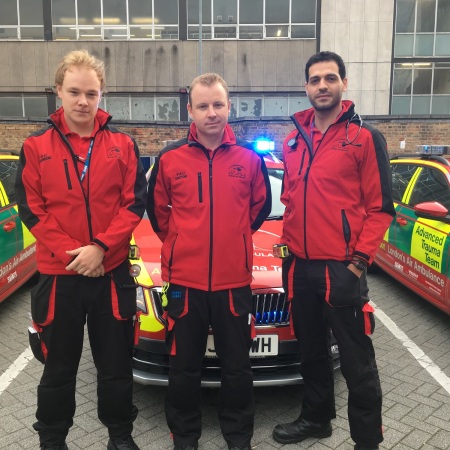
Apr 29, 2018
Apr 29, 2018
25 min
The Physician Response Unit (PRU) is an innovative service in East London that takes the emergency department to the patient. The PRU is led by Tony Joy, consultant in emergency medicine and prehospital care and is a fairly unique service to the UK.
In this podcast our very own Richard Carden interviews Tony for an in depth understanding of how the service is supporting the entire emergency care system in London.
You can read more about the PRU here https://londonsairambulance.co.uk/our-service/news/2017/10/remodelled-pru-to-be-a-seven-day-service-for-the-first-time and look out for a blog post on the St Emlyn's blog site very soon.
Apr 24, 2018

Apr 2, 2018
Apr 2, 2018
24 min
Surviving a Relentless Winter: Reflections and Insights from St. Emlyn's
Welcome Back to the St. Emlyn's Podcast
Welcome to the St. Emlyn's podcast. I'm Iain Beardsell, and I'm Simon Carley. We are delighted to be back with you after what can only be described as a rather tricky winter. The winter season has always been challenging for emergency departments across the UK, but this year felt especially relentless. In this blog post, we will reflect on the past few months, share key insights, and look forward to exciting events on the horizon, including the St. Emlyn's Live conference.
The Winter Struggle: A Nationwide Challenge
Down south in our emergency department, we have faced significant challenges. Iain shared his experiences: "We have been having a heck of a time. It has been a real struggle. I'm utterly exhausted, and it has only been in the last couple of weeks that it felt like we could breathe again." The situation has been similarly difficult up north. Simon echoed these sentiments: "It's been a bit grim up north, to be honest. This winter felt different, harder. The emergency departments in the UK have always had problems over winter, but it has felt more relentless this year."
Unprecedented Pressure and Relentless Demand
We didn't have much of a summer to recuperate, and the winter was relentless day in and day out. Our department saw unprecedented pressure, with patient numbers pushing us to our limits. Interesting statistics from our department showed consecutive days of being over capacity, creating concerns about patient care and safety. Despite the exhaustion, we managed to maintain a high standard of care, with complaints remaining at normal levels and even receiving more compliments than usual.
Coping Strategies and Positive Outcomes
Maintaining patient care while looking after ourselves has been a challenge. We have implemented various strategies to keep on track, from educational events to incredible clinical work. Reflecting on our achievements, Simon highlighted the importance of continuing education and maintaining healthcare standards even under pressure. "We have done some amazing things over the winter, and it is something we can be really proud of," he said.
Understanding Public Perception and Political Activity
The public's understanding of the pressures in the healthcare system has increased, although tolerance for the challenges faced remains limited. Political activity over the winter saw clinical leads writing to the Prime Minister, and emergency medicine frequently made the front pages of newspapers. However, recent events, such as the nerve agent attack in Salisbury, have shifted the focus away from A&E crowded corridors, providing some relief.
Looking Forward to St. Emlyn's Live
We have many exciting events coming up this year, including the highly anticipated St. Emlyn's Live conference. Scheduled for Tuesday, the 9th of October in Manchester, this one-day conference will bring us out from behind our microphones and keyboards to present live. The event promises to be hugely cost-effective, with an incredible lineup of speakers from around the world, including Claire Richmond from Sydney Hems, Natalie May, Salim Rezy from the US, and Kat Evans from South Africa.
Interactive Learning and Cost-Effective Education
We have designed St. Emlyn's Live to be an interactive conference, reflecting everything we aim for in our podcasts and blogs. The conference is priced at £150 for consultants, with discounts available for trainees, registrars, doctors in training, allied health professionals, nurses, and medical students. Given the limited venue size, we expect tickets to sell out quickly, so we encourage early booking.
Post-Conference Teaching Course
For those looking for more in-depth learning, we are hosting a teaching course on the 10th and 11th of October, directly after the conference. This course focuses on practical education techniques, helping clinician educators improve their teaching skills. It has been highly acclaimed by previous participants, offering a transformative learning experience.
Reflecting on Clinical Medicine and Evidence-Based Practice
At St. Emlyn's, we value reflection and evidence-based practice. In January, we covered several important topics on our blog, including devastating brain injuries, dizzy patients, and the adrenal trial. Let's delve into these discussions and see what we can learn.
Devastating Brain Injuries: Updated Guidance
One of the critical topics we discussed was devastating brain injuries. Historically, decisions about the prognosis of patients with severe traumatic injuries or subarachnoid bleeds were often made too quickly, based on initial CT scans. However, recent guidance suggests that we should not make precipitous decisions about patient outcomes solely based on early imaging.
In summary, it's essential to give these patients at least 24 to 72 hours before making a prognosis. This allows time for clinical outcomes to become more apparent. In our hospital, we transfer these patients to neuro-intensive care and have a proactive organ donation program, ensuring patients and their families receive the care they deserve.
Differentiating Dizziness: Central vs. Peripheral Causes
Another challenging area in emergency medicine is dealing with patients presenting with dizziness or vertigo. Differentiating between central causes, such as posterior circulation strokes, and peripheral causes can be difficult but crucial. We highlighted the importance of understanding the difference and utilizing tests like the HINTS exam to aid diagnosis.
As emergency physicians, we must continue to educate ourselves on these diagnostic tools. Utilizing resources like the St. Emlyn's blog, YouTube, and FOAMed can help us stay updated and improve patient care. It's essential to be comfortable revisiting and revising our knowledge to ensure accurate diagnoses and appropriate treatment plans.
The Importance of Reflection in Medical Practice
Reflection is a powerful tool for lifelong learning and self-improvement. Despite recent controversies, such as the case involving a junior doctor in Leicester, we must not abandon reflection. It helps us increase self-awareness, think critically about our practices, and improve our clinical skills.
Natalie May's blog post on reflection emphasizes that it's not just about ticking boxes but about purposeful and structured thinking. Her insights from Sydney Hems highlight the importance of integrating reflection into our daily practice to enhance our growth as clinicians.
The Adrenal Trial: Steroids in Septic Shock
The adrenal trial, reviewed by Dan Horner, examined the use of steroids in septic shock. Published in the New England Journal of Medicine, this trial aimed to determine whether steroids improve outcomes in these patients. The results showed no significant difference in mortality, although some secondary outcomes, such as vasopressor use and ICU days, showed variations.
The trial highlights the complexity of medical treatment and the need for continuous learning and evaluation. It reminds us that while some treatments may show promise, their benefits might not always be clear-cut. This underscores the importance of evidence-based practice and staying informed about the latest research.
Embracing Continuous Learning and Collaboration
Emergency medicine is a dynamic and ever-evolving field. At St. Emlyn's, we are committed to continuous learning, sharing knowledge, and improving patient care. The challenges of winter have tested our resilience, but they have also shown the importance of collaboration, education, and maintaining high standards of care.
We encourage our readers and listeners to stay engaged with our content, participate in upcoming events, and continue striving for excellence in their practice. The St. Emlyn's Live conference and the teaching course are excellent opportunities for professional development and networking with peers from around the world.
Conclusion: Looking Ahead with Optimism
As we move forward into the spring and summer, let's take a moment to reflect on the lessons learned and the progress made. The past winter was tough, but it also demonstrated our ability to adapt, innovate, and support one another. With exciting events like St. Emlyn's Live on the horizon, we have much to look forward to.
Thank you for being part of the St. Emlyn's community. Stay connected, stay curious, and let's continue to learn and grow together. Here's to a bright and hopeful future in emergency medicine.
Feb 23, 2018
Feb 14, 2018
Jan 24, 2018
Jan 24, 2018
28 min
Understanding Devastating Brain Injury: Key Insights and Guidelines
In a recent episode of the St Emlyn's podcast, Simon Carley hosted experts Dan Harvey and Mark Wilson to discuss the intricacies of managing devastating brain injury (DBI). The conversation covered new guidelines, the challenges in prognostication, ethical considerations, and practical approaches in clinical settings. This blog post provides a comprehensive summary of their insights, focusing on the importance of standardized care, ethical decision-making, and the role of family involvement.
Defining Devastating Brain Injury
Devastating brain injury encompasses severe brain damage that often leads to significant long-term impairment or death. These injuries can result from various causes, including trauma, subarachnoid hemorrhage, hypoxic brain injury, and intracerebral hematomas. The term "devastating" highlights the severity of these injuries, but as discussed, the perception of devastation can vary, complicating management and prognostication.
The Challenge of Prognostication
One of the core issues in managing DBI is the variability in clinical practice across different healthcare settings. This inconsistency can lead to different outcomes depending on where the patient is treated. Dan Harvey emphasized that the new guidelines aim to standardize care, providing a consistent approach regardless of location. The guidelines recommend an observation period of up to 72 hours to gather comprehensive clinical data, crucial for making informed decisions.
Mark Wilson highlighted the difficulty in early prognostication, noting that initial presentations can be misleading. Factors such as intoxication, medication effects, or pre-existing conditions can obscure the true extent of brain injury. The term "perceived devastating brain injury" underscores the subjective nature of these assessments, stressing that what appears catastrophic on imaging may not always align with clinical outcomes.
The Role of Radiology and Clinical Assessment
Radiological findings, while essential, must be interpreted alongside clinical assessments. A severe CT scan may not always correlate with poor clinical outcomes, and vice versa. The discussion stressed the importance of not rushing to judgment based solely on initial imaging or clinical presentation. Recent studies, including those by Hanni Marcus and Mark Wilson, have shown that some patients with poor prognostic indicators can recover better than expected, particularly those with extra-axial hematomas.
Ethical Considerations and Family Involvement
Ethical considerations are paramount in managing DBI. The definition of a "good recovery" can vary widely among patients and families. For example, elderly patients with significant impairments may still value life, even with extensive care needs. The guidelines emphasize the importance of involving families in discussions about prognosis and treatment, ensuring decisions align with the patient's values and preferences.
Understanding the patient's and family's perspectives is crucial in determining the appropriate course of action. This holistic approach ensures that care decisions are not only medically sound but also ethically and personally appropriate. The discussion also highlighted the need for clear communication, helping families navigate complex and emotionally charged situations.
The Importance of Time and Observation
The guidelines advocate for a period of observation to avoid hasty decisions based on incomplete information. This period, typically up to 72 hours, allows for the identification and management of reversible factors, collection of comprehensive medical history, and better communication with the family. The aim is to reduce the risk of prematurely withdrawing life-sustaining treatment.
Practical Decision-Making
Determining the level of care for DBI patients involves deciding whether to transfer them to neurocritical care units or manage them in general ICUs. While specialized care offers advanced interventions like intracranial pressure (ICP) monitoring, evidence does not conclusively show that these measures always improve outcomes. The discussion acknowledged the limitations of resources and the importance of considering logistical factors, such as proximity to the patient's family.
The guidelines encourage clinicians to make informed decisions based on available evidence and specific case circumstances. They stress that not all DBI patients require transfer to specialized centers, especially when prognosis remains uncertain. The focus should be on providing essential life-saving therapies and monitoring the patient's condition.
Transitioning to Palliative Care
When recovery is deemed unlikely, transitioning to palliative care becomes a compassionate and appropriate choice. The guidelines stress the importance of clear communication with the family, ensuring they understand the prognosis and rationale behind limiting or withdrawing aggressive treatment. Palliative care focuses on symptom management, comfort, and supporting the patient and family, addressing not only physical but also emotional and psychological needs.
Organ Donation Considerations
Organ donation is an important consideration for DBI patients when the prognosis is poor. The guidelines recommend discussing this option with the family as part of end-of-life care planning. These discussions should be handled sensitively, providing clear information and respecting the family's wishes. Organ donation can provide hope and purpose in the face of tragedy, potentially saving other lives.
Conclusion and Key Takeaways
The St Emlyn's podcast episode on devastating brain injury provides crucial insights into the complexities of managing this challenging condition. The newly published guidelines offer a structured approach, emphasizing comprehensive assessment, ethical considerations, and family involvement.
Key Takeaways:
-
Standardize Practice: Reduce variability in DBI management by adhering to standardized guidelines, ensuring consistent and high-quality care.
-
Comprehensive Assessment: Utilize both clinical and radiological assessments to inform prognosis. Avoid premature conclusions based on incomplete data.
-
Ethical and Family Considerations: Engage with families to align treatment decisions with the patient's values and wishes. Provide clear, compassionate communication throughout the process.
-
Observation Period: Allow an appropriate observation period to clarify the patient's condition and potential for recovery.
-
Palliative Care: Transition to palliative care when necessary, prioritizing patient comfort and dignity.
-
Organ Donation: Discuss organ donation as part of end-of-life planning, handling these conversations with care and respect.
By following these guidelines, healthcare professionals can navigate the complexities of managing DBI with greater confidence and compassion, ultimately improving patient outcomes and supporting families through challenging times. For more detailed information and resources, visit the St Emlyn's blog and stay updated with the latest in emergency and critical care.
Jan 16, 2018
Jan 16, 2018
20 min
Summary: St Emlyn's December Highlights and 2018 Outlook
Introduction
In the latest Sentiment podcast, Simon Carly and Natalie May review the December highlights from St Emlyn's and provide a preview of exciting upcoming events in 2018. The month featured a range of content, including clinical insights, wellbeing initiatives, and journal club discussions, while the upcoming year promises numerous educational opportunities.
December Highlights
1. Insights from the Intensive Care Society Meeting
Dan Horner attended the Intensive Care Society meeting in Liverpool, where Paul Young from New Zealand emphasized the scarcity of high-quality evidence for many intensive care interventions. He urged practitioners to critically evaluate the evidence behind their practices. Another notable topic was contrast-induced nephropathy (CIN), with debates on its clinical significance. This post is essential for those in intensive care, providing a thorough overview of the current challenges and evolving practices in the field.
2. Updated Guidelines for Managing Paracetamol Overdose
A significant update discussed new guidelines for handling accidental therapeutic excess of paracetamol. The new approach moves away from automatic hospitalization, advocating for a more measured response based on clinical assessments and specific blood test results, such as INR and liver function tests. This shift is crucial for emergency medicine practitioners, helping to avoid unnecessary hospital admissions and focus resources on patients who need them most.
3. The ED Wellness Spa Initiative
Laura highlighted the innovative ED Wellness Spa initiative in Manchester, designed to support clinician wellness. The spa provides a dedicated space in the ED for staff to relax and rejuvenate, featuring elements like a gratitude tree and wall, wellness literature, and mindfulness tools. It also includes team-building activities, such as raft building, aimed at fostering a supportive and cohesive team environment. This initiative is a pioneering effort to address healthcare provider burnout, promoting a holistic approach to staff well-being.
4. Pain Management in Minor Trauma
Gareth reviewed a study from the Annals of Emergency Medicine comparing the effectiveness of paracetamol, NSAIDs, and their combination in treating minor musculoskeletal trauma. The study found no significant difference in pain relief among the groups, suggesting paracetamol alone is sufficient. This challenges the routine use of combination therapies and supports a simpler, safer approach to pain management in emergency settings.
5. The Marcy Pan Guidelines on Anorexia Management
Vicki Vella discussed the Marcy Pan guidelines for managing severe anorexia, emphasizing the condition's high mortality rate and the need for careful clinical management. The guidelines include the use of the SUSS (Sit-Up Squat Stand) test to assess physical health and identify critical cases. Vicki also highlighted the issue of diabulimia, where individuals with type 1 diabetes manipulate insulin to lose weight, underscoring the importance of screening for eating disorders in these patients.
Upcoming Events in 2018
1. Teaching Cooperative Course in Cape Town
The year kicks off with the Teaching Cooperative Course in Cape Town from March 20-21. This course aims to transform medical education by moving away from traditional lectures to interactive, hands-on learning experiences. It is an excellent opportunity for educators to refine their teaching methods and engage more effectively with students.
2. BAD-EM Fest and St. Emlyn's Live
Following the Cape Town course, the BAD-EM Fest will be held from March 22-25, offering a unique blend of academic and creative sessions. Later in the year, St. Emlyn's Live will return to Manchester on October 9, providing another chance for professionals to delve into critical topics in emergency medicine.
3. FIX Courses in New York
The FIX (FemInEM Ideas eXchange) conference, set for October 17-18 in New York, focuses on gender equity in emergency medicine. The event features diverse speakers and workshops aimed at promoting inclusivity and equity in the medical profession. It's a must-attend for those committed to fostering a more equitable work environment.
4. RISUS Litology Course in New South Wales
In New South Wales, the RISUS Litology course will offer advanced training in resuscitation. The course, featuring experts like Cliff Reed and Karl Harbig, will focus on high-quality, evidence-based techniques through case-based discussions. This event is ideal for advanced practitioners seeking to deepen their knowledge and skills in resuscitation.
Final Thoughts
The St. Emlyn's team expresses gratitude to its community for their continued engagement and support. While not everyone can attend these conferences, the team remains committed to sharing key learnings through their blog and podcast, ensuring that valuable knowledge is accessible to all. The upcoming year promises further opportunities for learning and professional growth, fostering a global community of compassionate and informed emergency medicine professionals.
As the St. Emlyn's community looks forward to 2018, the team is excited to continue offering high-quality content and engaging with healthcare professionals worldwide. Here's to another year of growth, learning, and sharing in the vibrant field of emergency medicine.
Dec 27, 2017
Dec 27, 2017
16 min
Natalie and Simon discuss reflections, e-books and life at Sydney HEMS. This week we have added Lorikeets in the background (Nat recorded at Coogee Bay in NSW). We think they sound cute so we've kept them in (or rather we could not edit them out).
S
Dec 9, 2017
Dec 9, 2017
27 min
Reflections from November: Key Discussions on Triage, TXA, and Challenges in the ED
In November, the St. Emlyns team, led by Natalie May and Simon Carley, explored a variety of critical topics in emergency medicine. These ranged from the complexities of triage in emergency departments to the debated use of tranexamic acid (TXA) and the daily challenges faced by ED professionals. This post encapsulates the key discussions, insights, and upcoming events that shape our understanding and practice in emergency medicine.
Triage in Emergency Medicine: Beyond Categorization
Laura’s post on triage revisited its historical origins, particularly Dominique Jean-Larry's battlefield practices. Traditionally, triage involves categorizing patients by the severity of their conditions. However, Laura emphasized a crucial, often overlooked aspect: prioritizing patients based on actionable interventions. This approach challenges us to consider not just the severity of conditions but the potential impact of timely treatments.
This nuanced perspective is particularly relevant in pediatric trauma triage, where no existing tools perfectly balance sensitivity and specificity. The discussion raised an essential question: In major incidents, should we prioritize resources for patients with severe but untreatable injuries, or those with treatable conditions at risk of deterioration?
The post also addressed the unrealistic diagnostic expectations placed on triage systems. For example, can triage systems accurately distinguish between a tension pneumothorax and a panic attack? This issue highlights the importance of understanding the specific purposes for which triage tools are designed. For instance, the Manchester Triage System (MTS) was not intended to predict ICU admissions or sepsis but to prioritize immediate care needs.
The Cath Lab Debate for Out-of-Hospital Cardiac Arrests
A significant debate in emergency medicine revolves around the management of patients without ST-segment elevation myocardial infarction (NSTEMI) after out-of-hospital cardiac arrest. A meta-analysis reviewed whether these patients should be directly taken to the cath lab. While findings indicated a potential reduction in mortality, the decision to proceed with angiography must be nuanced.
Simon Carley noted that not all patients benefit from immediate cath lab access, especially when the issue might be electrical rather than structural. In Sydney, the two-tier trial leans towards early cath lab interventions, even prioritizing them over initial CT scans in suspected subarachnoid hemorrhage cases. This proactive stance contrasts with more conservative approaches in other regions, highlighting the importance of tailored patient care.
The discussion emphasized the need for collaboration with cardiologists to determine the best course of action based on the patient's clinical presentation and suspected pathology. This careful selection process ensures that patients receive appropriate and potentially life-saving interventions.
Tranexamic Acid (TXA) in Trauma: Timing Matters
The use of tranexamic acid (TXA) in trauma care remains a critical topic. A recent reanalysis of TXA trials underscored that earlier administration is linked to better outcomes, particularly in reducing mortality due to bleeding. The CRASH-2 trial supports the early use of TXA, particularly within three hours of injury, for its anti-fibrinolytic effects.
However, concerns about "mission creep"—where TXA is administered to all trauma patients regardless of bleeding risk—were raised. The St. Emlyns team advocates for a more selective approach, administering TXA primarily to patients likely to require blood transfusions. This strategy not only aligns with evidence-based practices but also prevents unnecessary treatment and optimizes resource use.
Coping with Challenges in the Emergency Department
Janos Baynham addressed the increasing pressures in emergency departments, highlighting how growing patient numbers and resource constraints strain healthcare professionals. Janos offered practical tips to improve morale and resilience, including maintaining a positive attitude, expressing gratitude, and supporting colleagues.
Open communication about the stresses and challenges of the job is vital. Creating a supportive environment where team members can share their experiences helps mitigate burnout and fosters a more cohesive work culture. Janos emphasized that small actions, like saying thank you and acknowledging hard work, can significantly boost team morale.
This discussion serves as a reminder that while the demands of emergency medicine are high, there are practical ways to manage stress and support each other. Recognizing and addressing these challenges is crucial for maintaining a healthy and effective workforce in the ED.
HIV Screening in the ED: A Public Health Perspective
Gareth Roberts highlighted the importance of routine HIV screening in emergency departments, especially in areas with high HIV prevalence. EDs often serve as the primary healthcare contact for at-risk populations, such as young men who may not regularly visit other healthcare providers.
Routine HIV screening in the ED can identify undiagnosed cases, facilitating early treatment and reducing transmission risks. This proactive approach also helps normalize HIV testing, reducing stigma and encouraging more people to learn their status. By integrating HIV screening into routine care, EDs can play a crucial role in public health efforts to control the spread of the virus.
Upcoming Events and Learning Opportunities
The blog also discussed exciting upcoming events, such as the BadEM Fest in Cape Town and the teaching cooperative, formerly known as the teaching course. These events promise immersive learning experiences, focusing on community and shared knowledge.
BadEM Fest, in particular, offers a unique format that emphasizes participatory learning and co-creation. Attendees engage in discussions, workshops, and shared storytelling, enriching their professional knowledge and skills. This type of conference represents a shift towards more interactive and inclusive professional development opportunities, fostering deeper connections and practical learning.
Conclusion
November’s reflections highlight the multifaceted nature of emergency medicine, from complex clinical decisions to the everyday challenges of working in a high-pressure environment. Whether it's refining triage processes, debating the best use of TXA, or addressing public health issues like HIV, the St. Emlyns team continues to explore critical topics that impact our practice and patient care.
As we move into December, staying connected and engaged with these discussions is essential. The upcoming events offer further opportunities for professional growth and learning. Thank you for joining us on this journey through November’s highlights. Stay tuned for more updates and insights from the St. Emlyns team, and continue to thrive in the ever-challenging world of emergency medicine.
Dec 9, 2017
Dec 9, 2017
8 min
A quick summary on how you can use group messaging systems in a major incident. A vast improvement on telephone cascades BUT you have to set this up in advance. If you make it up on the day it will be a disaster. Here's the tips and tricks from the Virchester team. You can read more here http://stemlynsblog.org/tag/whatsapp/
Oct 21, 2017

Oct 6, 2017
Oct 6, 2017
21 min
Exploring Emergency Medicine in South Africa: A Journey Beyond the Familiar
Introduction
Hello, and welcome to the St. Emlyn's podcast. I'm Simon Carley, and today, I'm sharing insights from a fascinating experience at the Emergency Medicine Society of South Africa (EMSSA) conference in Sunsetty, Johannesburg. The vibrant city became a backdrop for an enriching exploration into the challenges and rewards of practicing emergency medicine in a vastly different healthcare environment.
This blog post builds on Robert Lloyd's impactful blog about his tough yet enlightening experience at Khayelitsha Hospital. Our journey takes us through candid conversations with UK emergency medicine trainees currently working in South Africa. These discussions reveal not only the clinical and emotional challenges they face but also the profound personal growth they experience.
The Appeal of South African Emergency Medicine
Our conversation begins with a roundtable introduction. Each trainee shares their background and reasons for embarking on this journey. Jen, known as Coffee Headaches on Twitter, is currently working at Khayelitsha Hospital outside Cape Town, having moved from London. Chris and Chloe, both F4s, are working in Benedictine Hospital, Nongoma, and in Malawi, respectively. Sam, Jen's partner, is also at Khayelitsha, while Emma and Jacob, both F5s, are experiencing South African healthcare from different vantage points.
The primary motivation for these trainees to come to South Africa is to gain exposure to cases they rarely see in the UK. This includes a high prevalence of infectious diseases and trauma cases, providing a rich learning environment. The desire to challenge themselves and see how they react in a high-pressure environment is a compelling draw.
Realities of Practicing in South Africa
The conversation quickly shifts to the realities of working in this challenging environment. Despite extensive preparation, the reality of dealing with penetrating trauma, community assaults, and other interpersonal violence in South Africa is stark. As described by Jen and Chris, it's like managing a major incident every weekend night, with a constant flow of young male patients suffering from multiple stab wounds, often brought in by friends or local EMS.
The lack of resources and the necessity to make do with what's available forces a departure from UK-standard protocols. For instance, performing chest drains without the usual monitoring or resources becomes a norm. This scenario is a mental and emotional challenge, as it requires adapting to an environment where the ideal care isn't always possible.
Mental and Emotional Challenges
One of the key discussion points is the mental toll of practising in such a different environment. The trainees express that the most stressful aspect is not being able to provide the level of care they are accustomed to in the UK. The overwhelming number of patients and the lack of resources mean they must often prioritize care based on immediate necessity rather than best practice. This situation requires them to accept that they can't always do everything they would like to, a reality that is difficult to reconcile with their training.
Yet, they also speak of the incredible support network among South African doctors. These professionals guide the UK trainees, helping them navigate the practical challenges and the emotional landscape of emergency medicine in South Africa. This mentorship is invaluable, offering a buffer against the intense stress of the environment.
Unique Clinical Skills and Adaptations
The blog also delves into the unique clinical skills gained in South Africa. Many procedures and techniques, such as the Joburg knot for chest drains, are tailored to the local context, where resources are limited, and patients often face harsher post-treatment conditions. The trainees note that while these methods may not always align with UK standards, they are practical and effective in the South African context.
Moreover, they discuss the necessity of quick decision-making and improvisation. With patients often arriving in critical condition and space at a premium, immediate action is needed, often in less-than-ideal conditions. This experience contrasts sharply with the UK, where procedures are typically performed with more resources and time.
The Emotional Highs and Lows
Despite the challenges, the trainees describe the experience as overwhelmingly positive. The highs of successfully managing complex cases and the lows of resource limitations create a unique learning environment. The exposure to severe trauma cases, particularly penetrating injuries, has significantly reduced their anxiety about these scenarios. This newfound confidence is something they plan to bring back to their practice in the UK.
The trainees also express deep admiration for their South African colleagues, who demonstrate remarkable skill and resilience in a resource-limited setting. The ability of these professionals to provide high-quality care despite significant challenges is both inspiring and humbling.
Recommendations for Future Trainees
As the discussion winds down, the trainees share advice for others considering similar experiences. They emphasize the importance of understanding the expectations and conditions of the placement. The experiences can vary widely depending on whether one ends up in a well-supported trauma unit in a city or a rural hospital with minimal resources and support.
They recommend a minimum stay of three months to truly understand and contribute effectively to the healthcare setting. Shorter stays, they argue, don't provide enough time to adapt to the environment or make a meaningful impact.
Conclusion
Our conversation concludes with a reflection on the broader implications of this experience. The trainees agree that the skills and resilience developed in South Africa are not only invaluable but also applicable to emergency medicine practice in the UK. The experience underscores the need for adaptability, resourcefulness, and a deep understanding of the human aspects of healthcare.
South Africa, with its unique challenges and vibrant culture, offers an unparalleled learning experience for emergency medicine trainees. The personal and professional growth that comes from working in such a diverse and demanding environment is immense. As the trainees prepare to return to the UK, they carry with them not only new clinical skills but also a deeper understanding of themselves as clinicians.
This experience has been a powerful reminder that the essence of emergency medicine transcends geographical and cultural boundaries. It's about providing the best possible care under any circumstances, a lesson that resonates deeply with the core values of St. Emlyn's.
If you're considering a similar journey, take the plunge. The highs and lows are part of a journey that will not only shape your medical career but also broaden your perspective on healthcare and humanity. As we say goodbye to South Africa, the stories and lessons from this experience will undoubtedly inspire and inform the future of emergency medicine practice, both in the UK and beyond.
Aug 1, 2017

Jul 28, 2017
Jul 28, 2017
23 min
Child Protection in Pediatric Emergency Medicine: A Comprehensive Guide
Child protection is a crucial aspect of pediatric emergency medicine, encompassing the identification and response to suspected cases of child abuse or neglect. As healthcare professionals, it is our responsibility to recognize the signs of abuse, conduct thorough assessments, and approach these sensitive issues with empathy and diligence. This guide provides a comprehensive overview of the key aspects of child protection, including identifying signs of abuse, handling difficult conversations, and collaborating with social services and law enforcement.
Recognizing Signs of Child Abuse
Identifying potential child abuse involves looking for physical, behavioural, and situational signs. Physical indicators include unexplained injuries, such as bruises, burns, or fractures, especially those inconsistent with the child's developmental stage. For instance, long bone fractures in non-mobile children are particularly concerning and should prompt further investigation. Behavioural signs can include excessive fearfulness, withdrawal, or inappropriate sexual behaviours, while situational signs may involve frequent hospital visits or inconsistent explanations for injuries.
Emergency department (ED) staff, including triage nurses, radiographers, and even receptionists, play vital roles in spotting these signs. Their initial observations and interactions can often be the first indicators of potential abuse. It is essential to document all findings meticulously, including descriptions of injuries, the child's behaviour, and parental explanations, to build a comprehensive case for further action.
The Role of the Emergency Department Team
Child protection in the ED is a collaborative effort. Every team member, from doctors to nurses and ancillary staff, contributes to the safeguarding process. Radiological assessments can be particularly revealing, as certain injuries, like rib fractures or metaphyseal lesions, are strong indicators of abuse. These findings, combined with clinical observations, help form a clearer picture of the child's situation.
Thorough documentation is crucial in these cases. It provides a detailed account of the observed injuries and behaviours, which is vital for legal and social services investigations. This documentation should include specific details about the injuries, any discrepancies in the provided history, and observations of the child's and parents' behaviour.
Handling Difficult Conversations
Discussing suspicions of child abuse with parents is challenging and requires a sensitive, non-judgmental approach. It is essential to communicate concerns in a way that prioritizes the child's safety while being respectful to the parents. A suggested approach is to explain that while the observed injuries or behaviours are concerning, the primary goal is to ensure the child's well-being. Phrases such as, "We sometimes see injuries that don’t make sense, and we have to ask more questions to help the children who need it," can help frame the conversation as a protective measure rather than an accusation.
Despite the careful approach, some parents may react defensively or even attempt to leave with the child. In these cases, it is important to remain calm, explain the legal responsibilities, and, if necessary, involve law enforcement to ensure the child's safety. The primary focus should always be on protecting the child and ensuring that proper protocols are followed.
Best Practices for Identifying Non-Accidental Injuries
Non-accidental injuries (NAIs) are a key concern in suspected abuse cases. These injuries, inflicted intentionally by someone else, can include fractures, burns, or bruises that do not match the child's developmental abilities or the provided history. For example, a spiral fracture in a non-mobile child should raise immediate concern.
In addition to physical assessments, radiological evidence is critical in confirming NAIs. Certain injuries, such as specific fracture patterns, are often seen in cases of abuse. However, healthcare providers must also be mindful of other medical conditions that could mimic abuse, such as osteogenesis imperfecta, which can cause brittle bones.
The HEADS Assessment
The HEADS assessment is a valuable tool for evaluating various aspects of a child's life that may indicate risk factors for abuse. HEADS stands for Home environment, Education/employment, Activities, Drug use, Sexuality, and Suicide/depression. This comprehensive approach helps clinicians understand the broader context of a child's situation, including potential stressors and risk factors.
It is important to conduct these assessments in a private setting where the child feels safe to speak openly. For younger children or those who cannot articulate their experiences, careful observation and interaction with the parents can provide crucial insights.
Navigating Cultural and Social Sensitivities
Child protection involves navigating complex cultural and social landscapes. Different cultures have varying norms regarding child-rearing practices, which may be misunderstood as neglect or abuse. It is essential to approach each case with cultural sensitivity and avoid making assumptions based on stereotypes.
Engaging with cultural liaisons or social workers who understand the family's background can help bridge communication gaps and provide context. However, the child's safety must always remain the top priority, regardless of cultural practices.
Collaboration with Social Services and Law Enforcement
Collaboration with social services and law enforcement is often necessary in suspected abuse cases. These agencies play a crucial role in investigating allegations and ensuring the child's safety. Healthcare providers are responsible for reporting their concerns to these authorities, who can then conduct thorough investigations.
Understanding local reporting protocols and mandatory reporting laws is essential for all healthcare providers. Even in the absence of mandatory reporting, it is best practice to err on the side of caution and involve child protection services when there are concerns.
Dealing with the Aftermath
Handling cases of child abuse can be emotionally challenging for healthcare providers. The nature of these cases often leaves providers feeling uncertain and distressed. It is important for healthcare professionals to seek support, whether through colleagues, supervisors, or professional counselling services.
Regular debriefings and reflections on these cases can help improve practices and ensure better preparedness for future cases. Continuous education and training in child protection are also vital for maintaining a high level of competence and confidence in handling these sensitive situations.
Conclusion
Child protection is a shared responsibility that requires vigilance, empathy, and collaboration. As healthcare providers, we are often the first to identify and respond to child abuse cases. By staying informed, following best practices, and approaching these cases with sensitivity and professionalism, we can play a crucial role in safeguarding the well-being of children. At St Emlyn's, we are committed to providing ongoing education and support for healthcare professionals in all aspects of emergency medicine, including child protection. Together, we can make a difference in the lives of vulnerable children.